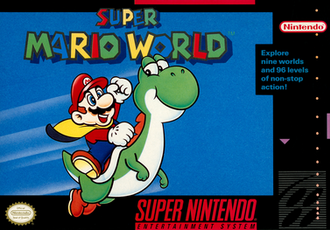
Super Mario World Wiki & Guide



Mario and Luigi’s holiday in Dinosaur Land turns into a rescue when Bowser and the seven Koopalings kidnap Princess Toadstool. This wiki covers all nine areas and their 96 exits, every enemy and boss and where it appears, the power-ups and Yoshi, with sprites, poses and maps drawn from the game’s own graphics.
- Released
- 1990
- System
- Super Nintendo
- Director
- Takashi Tezuka
- Exits
- 96
Explore the wiki
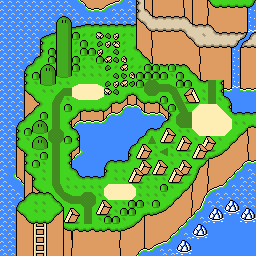 Worlds & levelsNine areas, every level, exit and castle
 Enemies & bosses60 enemies and the Koopalings
 CharactersMario, Luigi, Peach, Yoshi and Bowser
 Power-ups & itemsEvery power-up and useful object
 Controls & cape flightRunning, spin jumps and the cape
 Yoshi & shell coloursWhat each shell does in Yoshi’s mouth
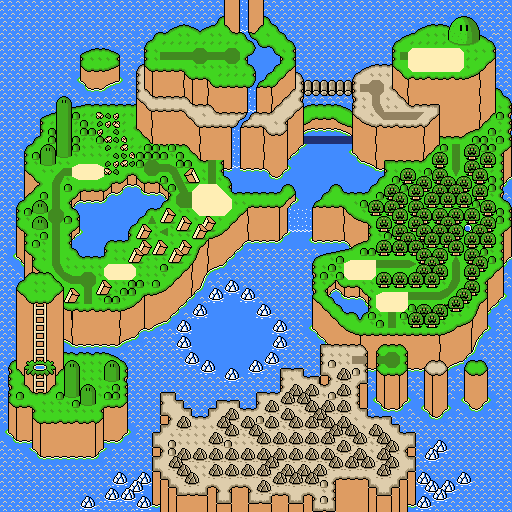 World routeThe route and the Switch Palaces
 96 exitsAll 24 secret exits and Star World
 CollectiblesDragon Coins, switches and completion
 Fun triviaDetails hidden in the gamePicturesSprites, maps and artwork
The worlds of Dinosaur Land
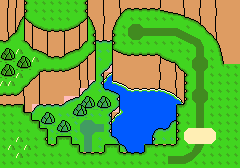 Yoshi’s Island7 levels · 0 secret exitsDonut Plains11 levels · 5 secret exits
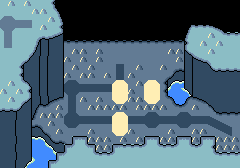 Vanilla Dome11 levels · 3 secret exits
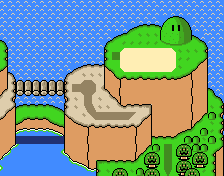 Twin Bridges6 levels · 1 secret exits
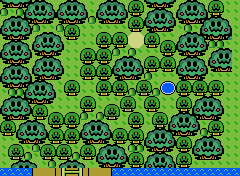 Forest of Illusion9 levels · 5 secret exits
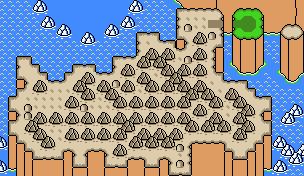 Chocolate Island10 levels · 2 secret exits
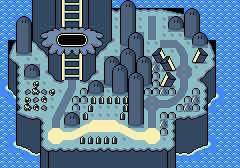 Valley of Bowser9 levels · 3 secret exits
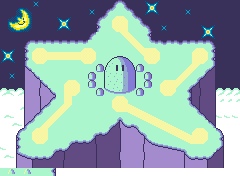 Star World5 levels · 5 secret exits
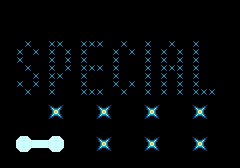 Special Zone8 levels · 0 secret exits
All the levels, world by world · World route and Switch Palaces
Mario and Luigi


Luigi is the second player, taking turns with Mario on the map. Power-ups and forms
Yoshi


Bosses
The seven Koopalings
 Iggy Koopa#1 Iggy’s Castle
 Morton Koopa Jr.#2 Morton’s Castle
 Lemmy Koopa#3 Lemmy’s Castle
 Ludwig von Koopa#4 Ludwig’s Castle
 Roy Koopa#5 Roy’s Castle
 Wendy O. Koopa#6 Wendy’s Castle
 Larry Koopa#7 Larry’s Castle
Reznor, Big Boo and Bowser


Creatures of Dinosaur Land


Power-ups and items


In the game’s words
Welcome! This is Dinosaur Land. In this strange land we find that Princess Toadstool is missing again! Looks like Bowser is at it again!
The red dot areas on the map have two different exits. If you have the time and skill, be sure to look for them.
There are five entrances to the Star World in Dinosaur Land. Find them all and you can travel between many different places.
Quick tips
- Hold Y to run: at full speed the cape lets Mario take off, and a running jump goes further.
- Press A for a spin jump. Super Mario can break some blocks with it and bounce safely off tougher enemies.
- The reserve box at the top of the screen keeps a spare power-up; press Select to drop it.
- Press L or R to slide the screen and look ahead.
- Red dots on the map mark levels with two exits; keys and keyholes, or a second goal, lead to the other one.
- In a level you have already cleared, press Start and then Select to go back to the map.
Did you know?
- There are 96 exits: 72 levels have one goal and 24 have a second, secret exit.
- The game’s own text calls the princess Princess Toadstool, as the opening message box shows: “In this strange land we find that Princess Toadstool is missing again! Looks like Bowser is at it again!”
- The ending’s cast of enemies spells the Jumping Piranha Plant “PIRHANA PLANT”.
- Morton, Roy and Ludwig are not drawn as sprites: like Bowser in his Clown Car, they are pictures on the SNES’s Mode 7 background layer, made from their graphics when the battle starts.
- Yoshi’s head and body are copied into video memory from a separate graphics bank as he moves, so a single pair of sprite tiles covers all of his poses.
- It was one of the two Super Famicom launch games in Japan, with F-Zero, and became the best-selling game on the system (20.61 million copies).
FAQ
When did Super Mario World come out?
On 21 November 1990 in Japan, 23 August 1991 in North America and 11 April 1992 in Europe, for the Super Nintendo.
How many exits are there in Super Mario World?
96: 72 levels with one goal each and 24 secret exits. All 24 secret exits.
How do you get the cape?
Take a Cape Feather. The first one is dropped by the flashing Super Koopa in Donut Plains 1, and Top Secret Area gives a supply of power-ups.
How do you reach the Star World?
Through the five Star Roads, opened by the secret exits of the Donut Secret House, Vanilla Secret 1 and Valley of Bowser 4, and by beating Soda Lake and the Forest Fortress. Star World.
What is the Special Zone?
Eight hard bonus levels reached through the secret exit of Star World 5. Beating them changes the colours of the map. Special Zone.
Where can I play Super Mario World today?
It was re-released as Super Mario Advance 2 on the Game Boy Advance (2001), on the Wii (2006–07), Wii U (2013) and New Nintendo 3DS (2016) Virtual Console, on the Super NES Classic Edition (2017), and for Nintendo Switch Online members since 2019.
Sources & picture credits
- Wikipedia: Super Mario World (release dates, credits, sales)
- Super Mario Wiki: Secret exit (the 24 secret exits)
- Super Mario Wiki: Super Mario World
- SMWDisX disassembly (sprite routines and table names)
Pictures drawn from the Super Mario World (SNES) game data: sprites are assembled from their tiles the way the game draws them, in the palette of a level they appear in; blocks, coins and berries are built from their 16×16 level-tile definitions with the animated tiles in place; maps show the overworld’s terrain layer (the level tiles and paths on its other layer are not in the asset export). Animation timing is approximate. The box art was already on this wiki. Game content © Nintendo.