Platinum catching and encounter methods
Choose the correct encounter method, time, location and catching preparation.
Original Nintendo DS release; not Brilliant Diamond or Shining Pearl.
Prepare a catcher
Reduce HP without knocking out the target and use status when practical. Sleep and freeze help catching more than paralysis, poison or burn; damage-over-time status can accidentally defeat a rare encounter. Bring enough Balls for the actual terrain and time. False Swipe cannot hit Ghosts without an appropriate workaround.
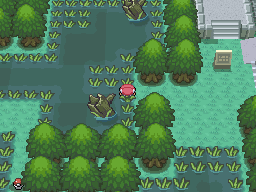
Read a location record correctly
Grass, Surf, Old Rod, Good Rod and Super Rod have different encounter tables. Morning, day and night conditions can change a table. A profile’s slot percentage applies to its named conditions, rather than the whole region. Gift, evolution and trade access are separate from wild encounter records.
Special collection methods
- Honey Trees require Honey and a waiting period; special Munchlax trees depend on the save’s IDs.
- The Great Marsh combines steps, Safari Balls and daily species; use its binoculars for the rotating selection.
- The Trophy Garden has daily added Pokémon announced by Mr. Backlot after its requirements.
- Poké Radar and swarms open additional species after the National Pokédex.
- GBA insertion encounters require compatible hardware and a cartridge in the GBA slot.
- Fossils are obtained Underground and revived at Oreburgh Museum.
Track roamers separately
Mesprit, Cresselia and Oak’s legendary birds move between routes. Use the Marking Map, choose a suitable lead level when using Repels and prepare to prevent fleeing. Their saved HP and status persist between encounters; avoid treating them like ordinary stationary legends.
These references cover the original Nintendo DS Platinum. Check story progress, time of day and special access requirements beside each entry.