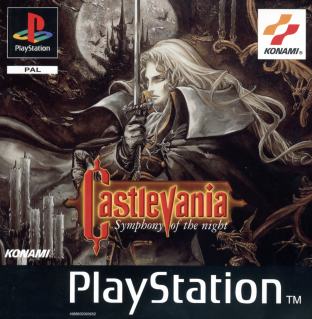
Fun trivia
Three memorable details to notice while playing Castlevania: Symphony of the Night.
Story and late-game spoilers.
Original PlayStation Alucard campaign; later ports and Saturn additions can differ.
A percentage with a twist
Symphony’s exploration percentage can exceed 100%. The extra castle makes a familiar completion number a misleading finish line.
Your body is part of your toolkit
Transformations open routes that ordinary movement cannot. Equipment progression includes changing how Alucard occupies a space.
The apparent ending is not the whole castle
Investigating the circumstances around Richter matters. Treating the first apparent finale as definitive can leave a large part of the adventure unseen.
The castle asks you to reinterpret its rooms
New transformations and the later inverted setting make familiar geometry useful in different ways. A tall room, narrow grate or suspicious map edge can be an access clue rather than decorative scenery. The player’s growing inventory changes the questions asked of the same space. This is why a map note describing the obstacle is more useful than one that merely says to come back later.
A heart icon can mean ammunition
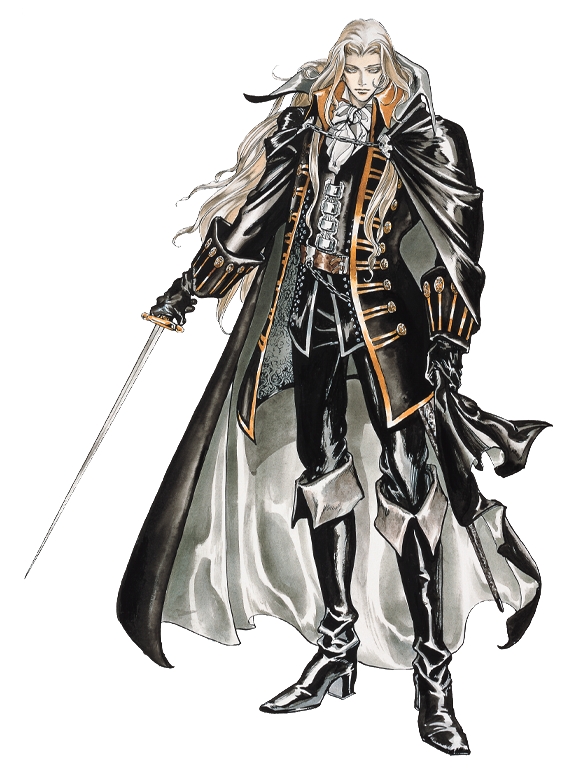
Symphony of the Night uses hearts for subweapons, separating an apparently familiar symbol from health recovery. That small convention explains why collecting many hearts may leave Alucard’s health unchanged. Spells and ordinary attacks add further resource choices, while save rooms provide a dependable recovery destination. Learning what each meter supports makes inventory decisions clearer than treating every red pickup as an interchangeable healing reward.