Modes & solo challenges
Classic, Adventure, All-Star, Event Matches and practice.
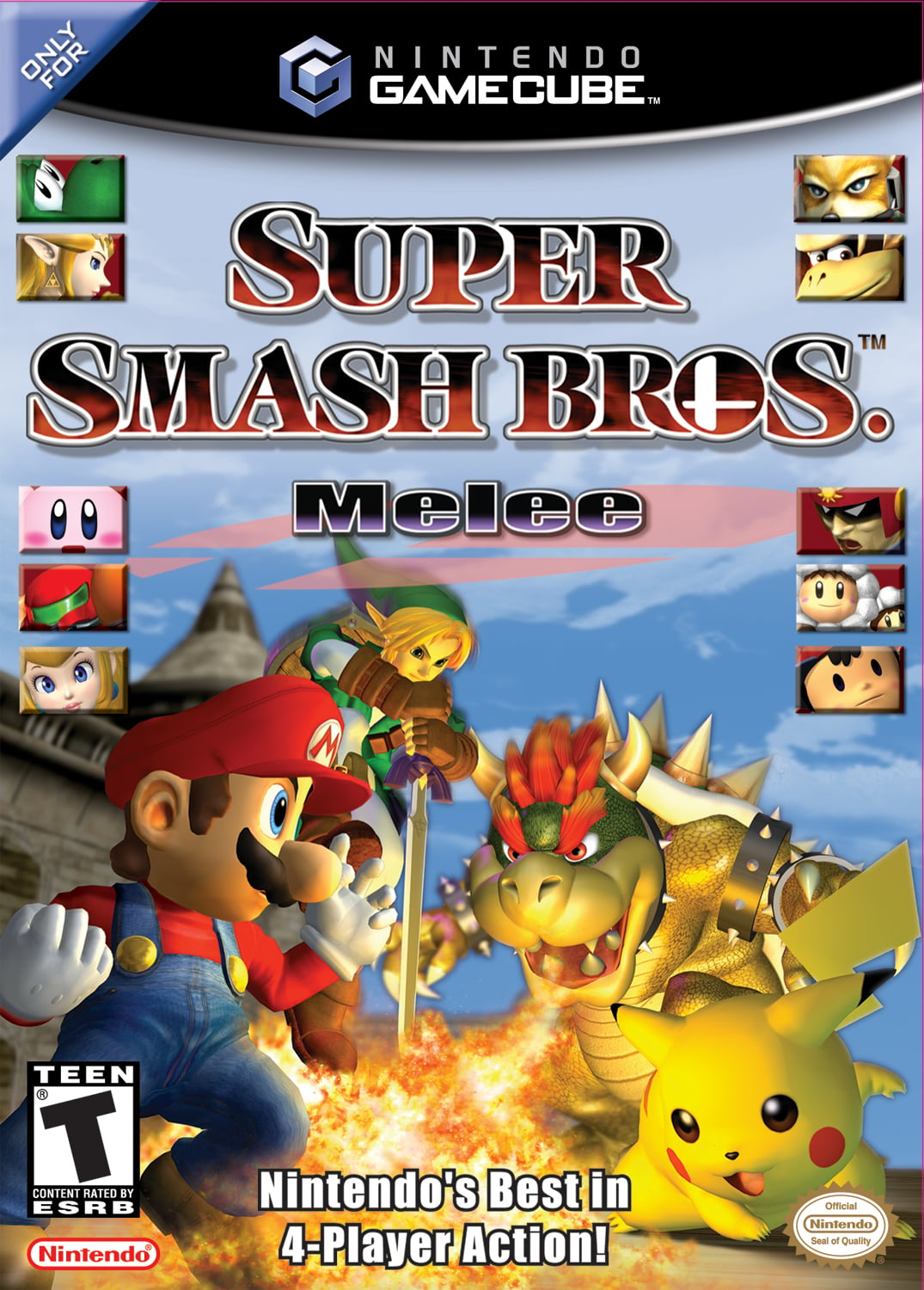
Original Super Smash Bros. Melee for Nintendo GameCube. Regional balance differences and later Smash games are outside this introductory guide.
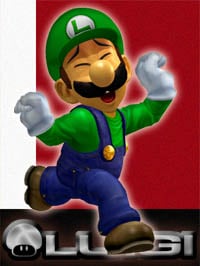
Classic and Adventure
Classic uses a sequence of battles and bonus challenges. Adventure adds themed platforming stages and encounters.
All-Star
Unlock all 25 selectable characters to open All-Star Mode, a sequence of battles with limited healing between rounds.
Event Matches
Complete battles with special objectives and rules. More events become available as you progress and unlock characters.
Stadium and Training
Try Target Test, Home-Run Contest and Multi-Man Melee, or use Training Mode to practise without a full match.
Let a mode choose the practice problem
Adventure presents varied encounters, Classic organizes a traditional sequence and Event Matches give individual scenarios their own objectives. Before retrying an event, identify the condition that decides the result; defeating opponents may be only part of it. Practice the movement or attack that repeatedly causes failure, then return to the scenario. That makes solo play a useful guide to what you should learn next.
Treat trophies as an exploration goal
The trophy collection records discoveries beyond the playable roster, giving a shorter session a useful objective when a full clear is not appealing. Browse what you have already earned and choose an activity you have not explored much. Keep unlock hunting and match practice distinct: one rewards meeting a specific condition, while the other rewards repeating the same fundamentals until they become dependable.
Use Training Mode to practise a movement or item before taking it into a match.
Clear pictures
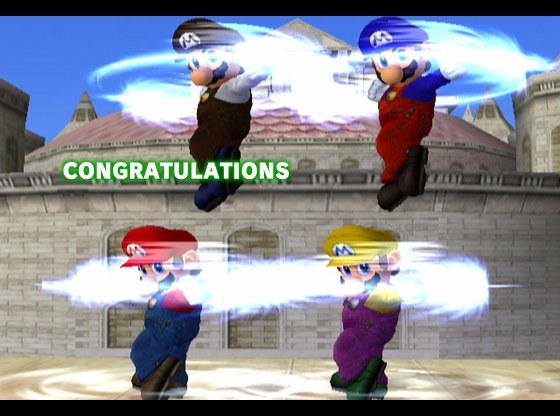
Finishing Classic, Adventure or All-Star Mode shows a “Congratulations” picture of the fighter you cleared it with; every fighter has one for each mode (all of them).
Classic Mode
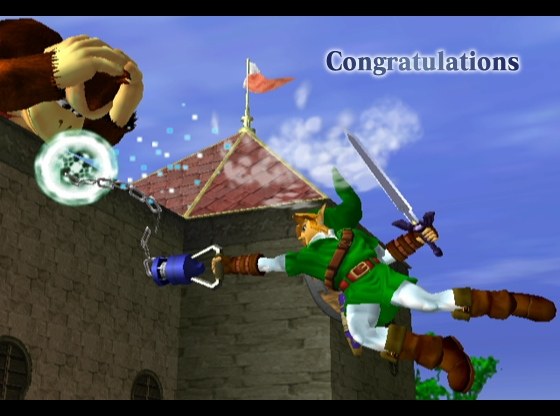
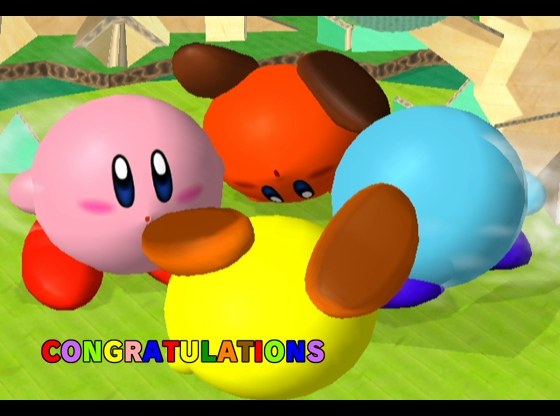
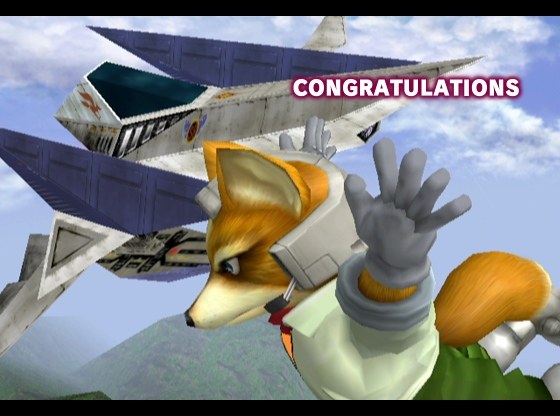
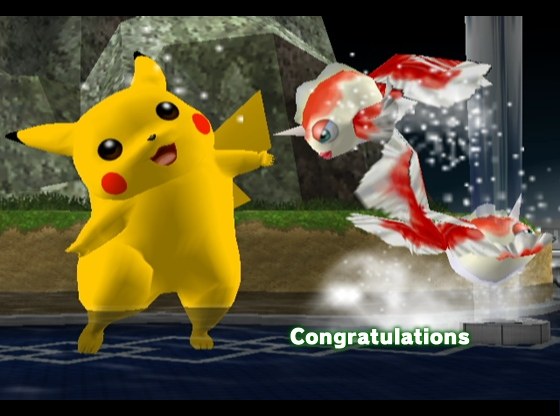
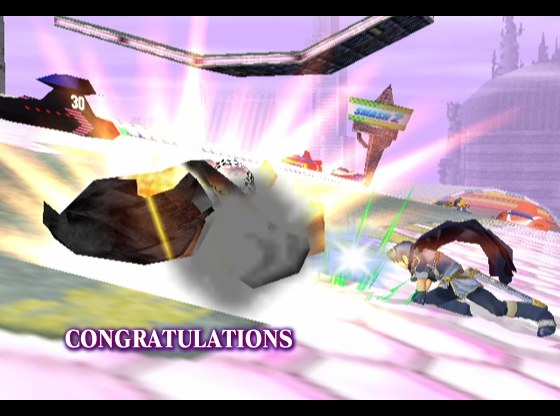
Adventure Mode
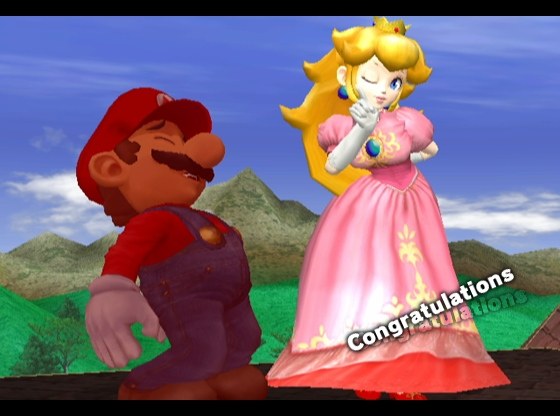
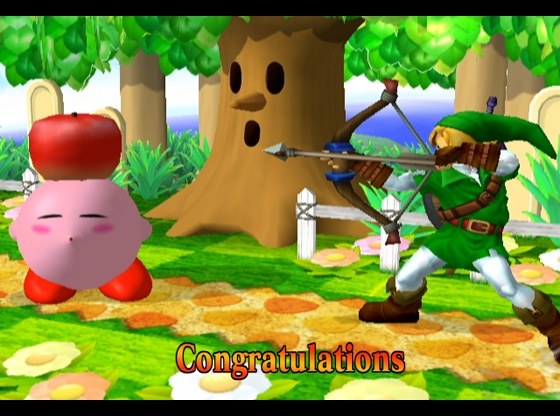
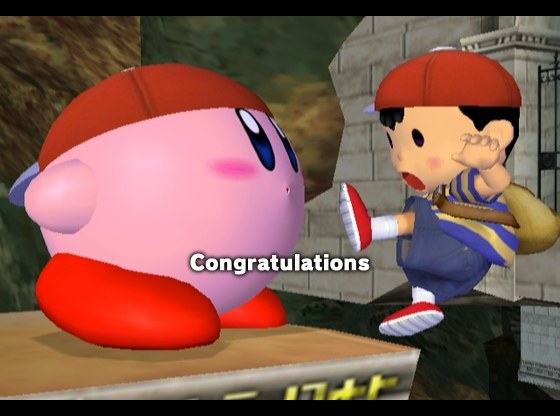
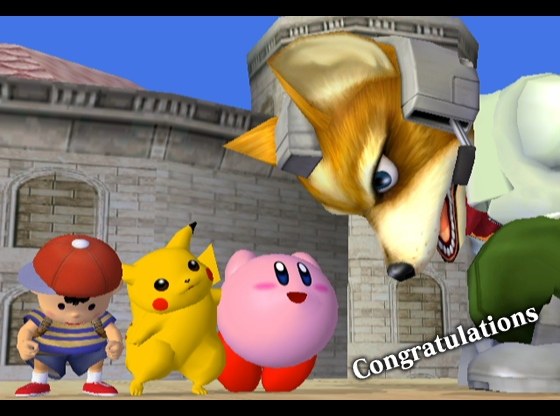
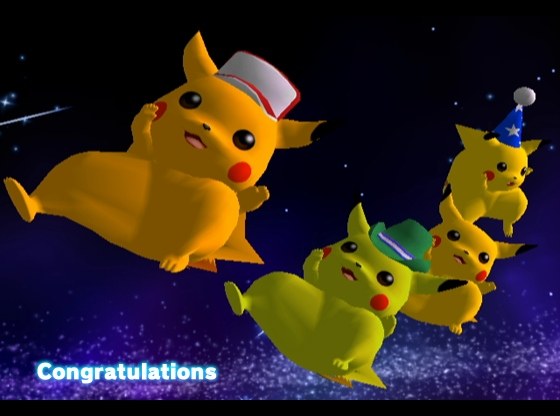
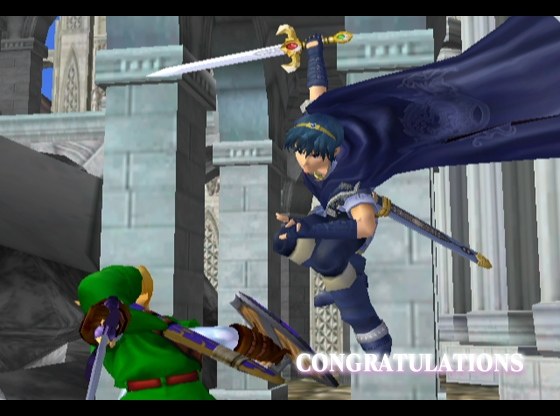
All-Star Mode
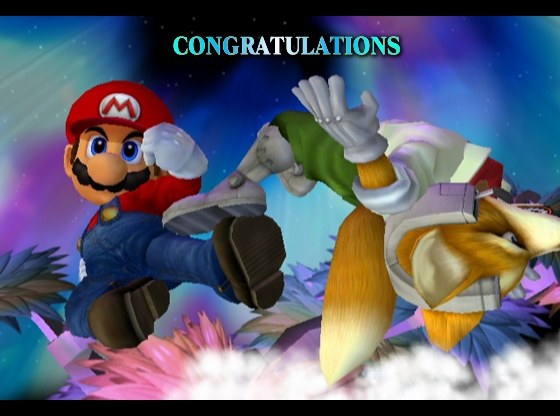
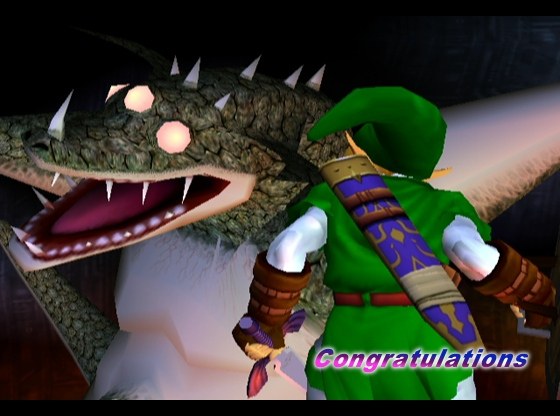
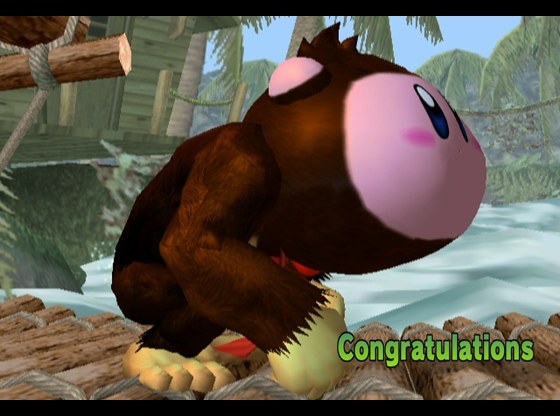
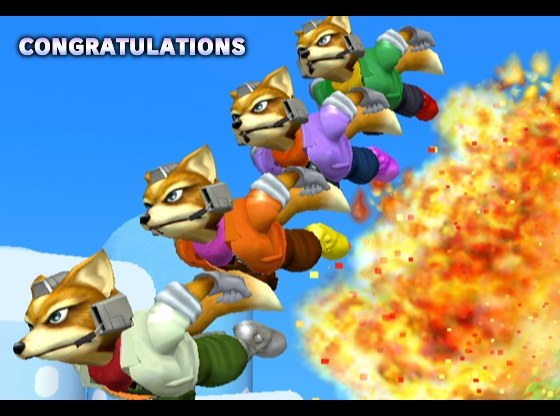
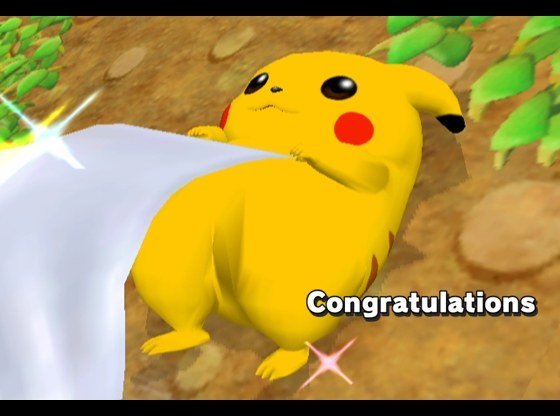
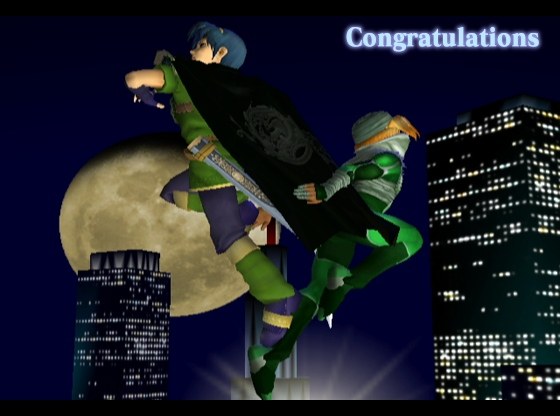
Pictures taken from the Super Smash Bros. Melee (USA, revision 2) disc: textures decoded from the game’s own archives (character-select portraits, stock icons, stage-select pictures, emblems and menu art), the clear pictures stored on the disc, and frames from the opening movie.