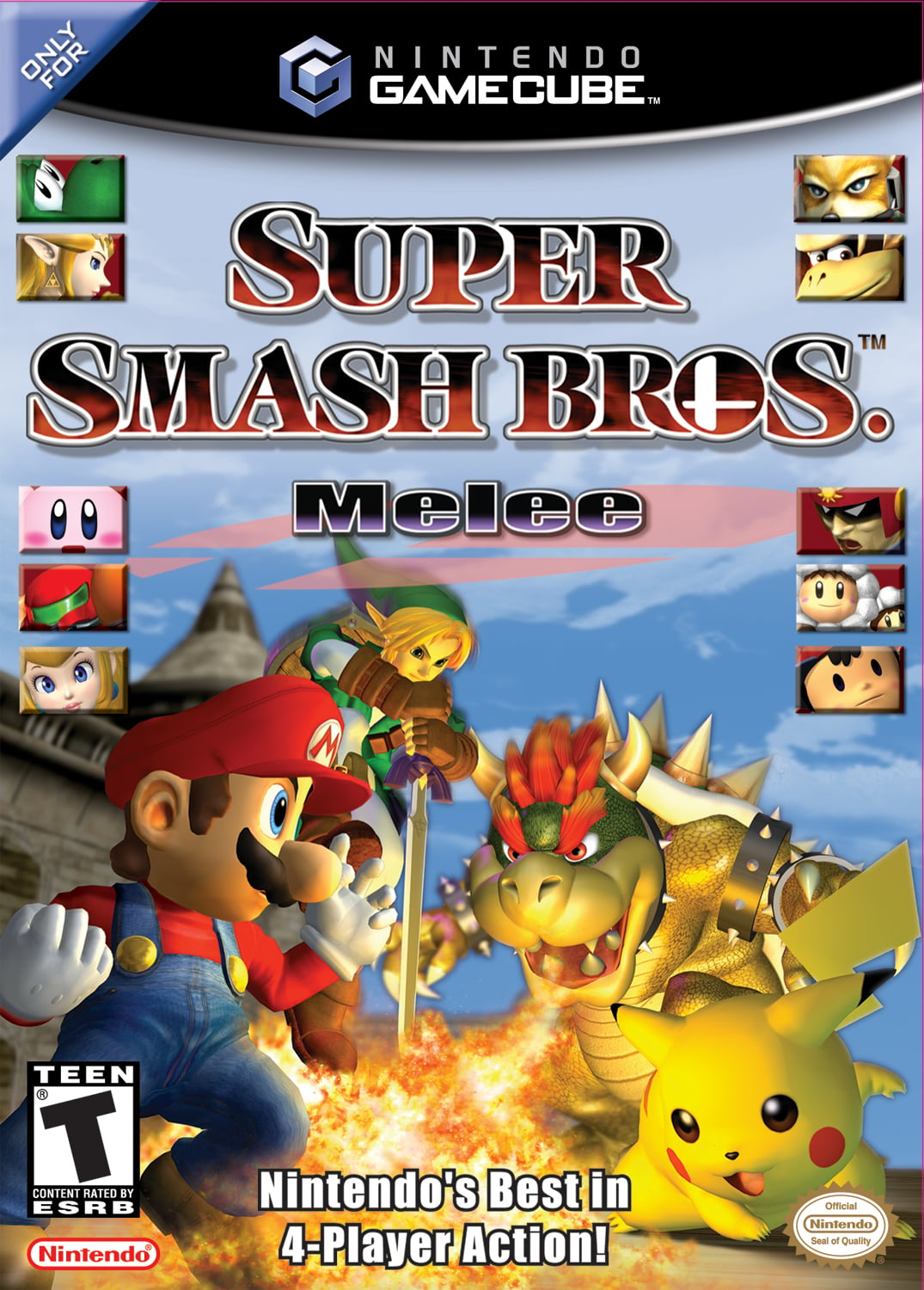
Super Smash Bros. Melee Wiki & Guide



Nintendo’s all-stars meet on the GameCube. This wiki covers all 25 fighters with every costume, the 29 stages and how to unlock them, the items and the 11 secret challengers, illustrated with pictures taken straight from the game: the character-select portraits, stock icons, stage-select pictures, series emblems and the clear pictures stored on the disc.
- Released
- 2001
- System
- GameCube
- Developer
- HAL Laboratory
- Fighters
- 25 + Sheik
- Stages
- 29
Explore the wiki
Fighters & costumesAll 25 fighters and 118 costumes StagesAll 29 stages and how to unlock 11
 ItemsEvery item and what it does
 UnlockablesThe 11 secret fighters
 Unlock routeA route through every unlockCharacter directoryThe cast with their artwork
 Getting startedControls and match basics
 ModesClassic, Adventure, All-Star and more
 PicturesEverything taken from the game
Choose your fighter
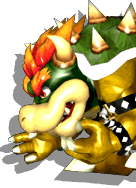
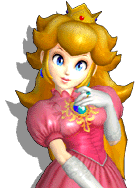
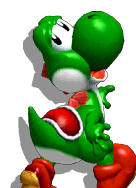
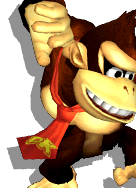
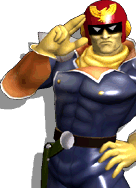
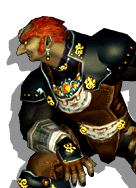
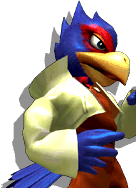
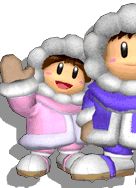
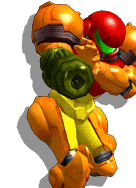
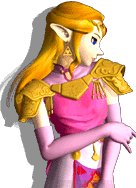
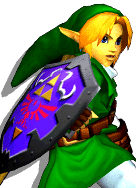
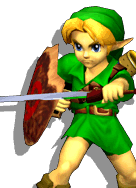
The 25 fighters in the order the character-select screen shows them, with their portraits and stock icons from the game. Select a fighter for their costumes and how to unlock them.







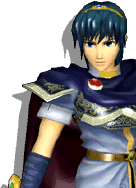
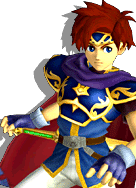
Series emblems
Each fighter stands in front of their series’ emblem on the character-select screen. Battlefield and Final Destination belong to Smash itself.
 F-Zero

 Donkey Kong

 Star Fox


 Game & Watch

 Kirby
 Super Mario


 Fire Emblem


 Pokémon


 EarthBound

 Ice Climber

 Metroid

 Yoshi

 The Legend of Zelda


Stages
The stage-select pictures of all 29 stages. Eleven have to be unlocked.
 Princess Peach’s Castle
 Rainbow Cruise
 Kongo Jungle
 Jungle Japes
 Great Bay
 Temple
 Brinstar
 Brinstar Depths 🔒
 Yoshi’s Story
 Yoshi’s Island
 Fountain of Dreams
 Green Greens
 Corneria
 Venom
 Pokémon Stadium
 Poké Floats 🔒
 Mute City
 Big Blue 🔒
 Onett
 Fourside 🔒
 Mushroom Kingdom
 Mushroom Kingdom II 🔒
 Icicle Mountain
 Flat Zone 🔒Battlefield 🔒
 Final Destination 🔒
 Dream Land 🔒
 Yoshi’s Island (Past Stages) 🔒
 Kongo Jungle (Past Stages) 🔒
A new challenger approaches

 Falco
 Luigi
 Mewtwo
 Jigglypuff
 Pichu
 Dr. Mario
 Roy
 Ganondorf
 Young Link
Items


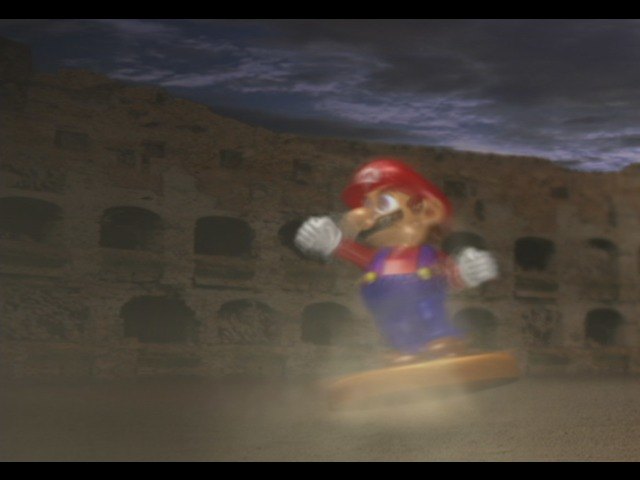
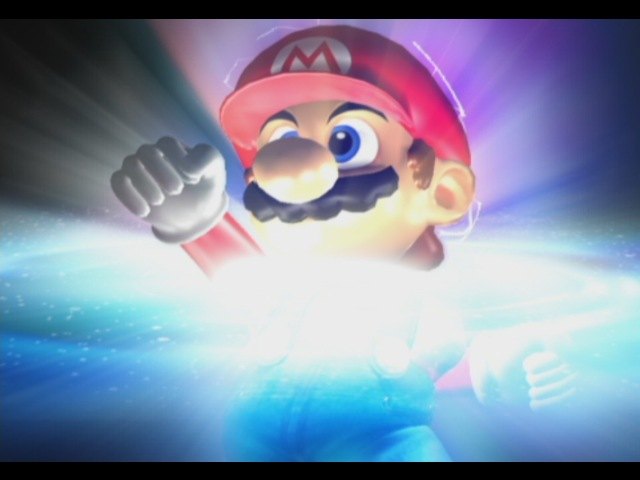
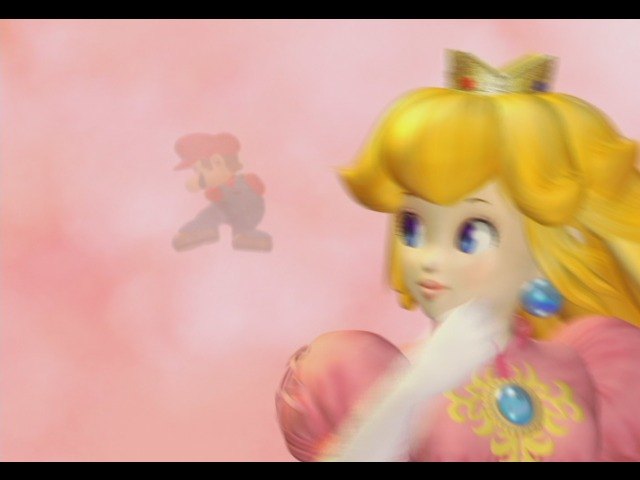
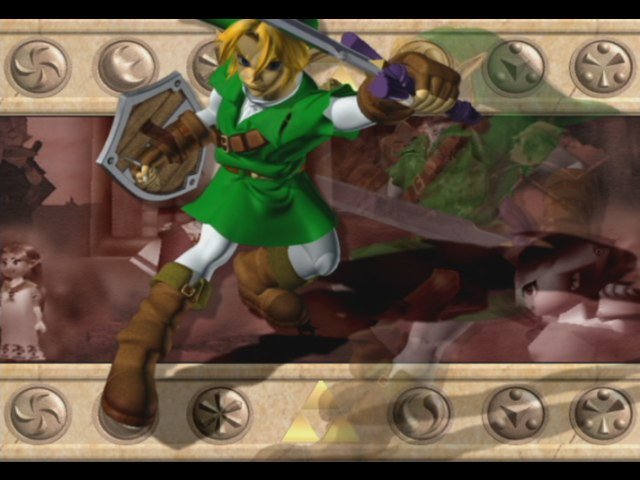
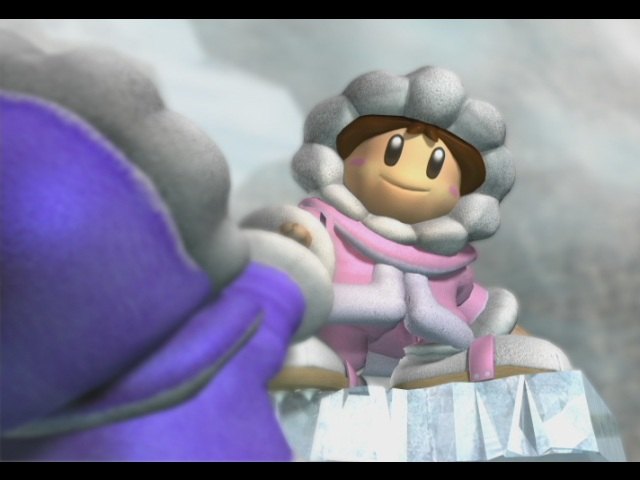
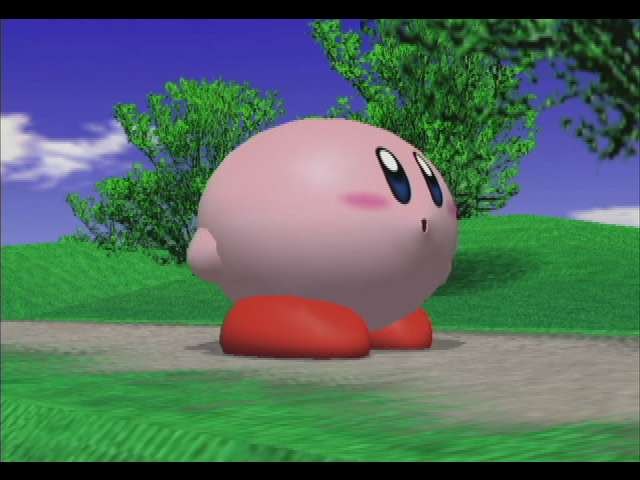
From the opening movie
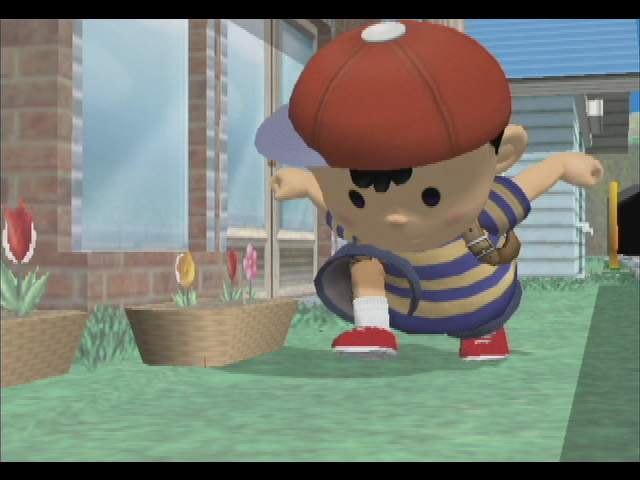
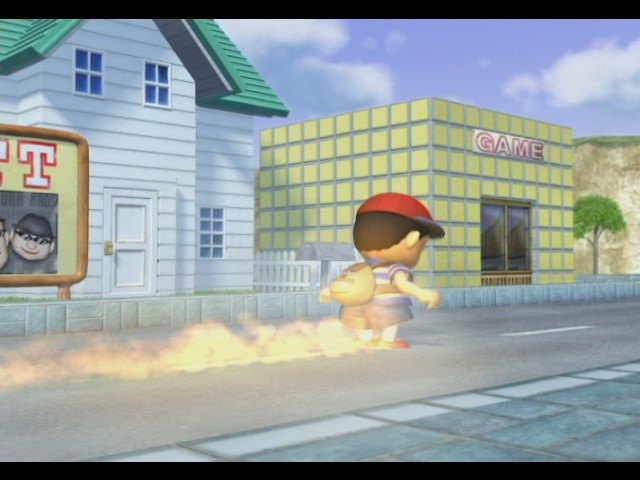
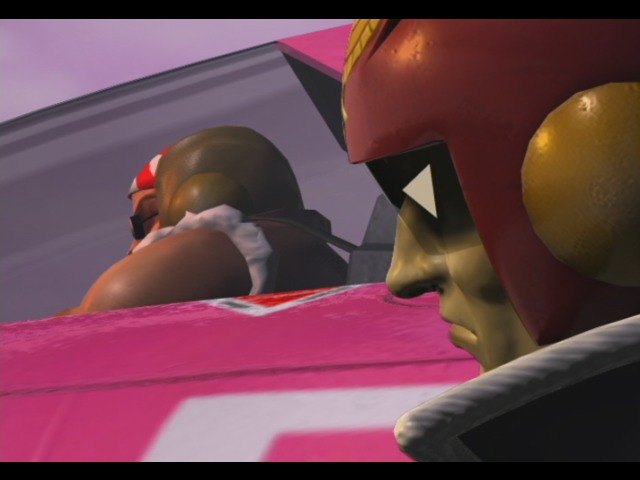
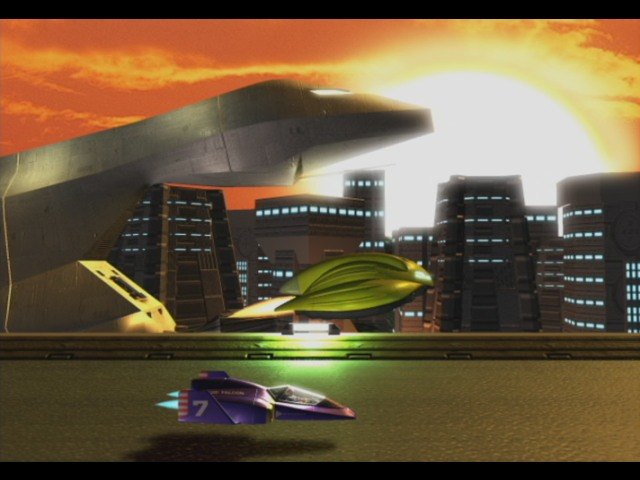
Quick tips
- Zelda and Sheik share one character slot: down + B switches between them in a match, and holding A as the match loads starts it as Sheik.
- Every secret fighter can also be unlocked just by playing VS matches: from 50 matches for Jigglypuff up to 1,000 for Mr. Game & Watch.
- A challenger fight is a one-stock battle with the fighter you just played. Lose it and you need to meet the condition again.
- Battlefield opens after any All-Star Mode clear, and Final Destination after Event 51.
- Turn items off or down under VS Mode’s Item Switch when you want to practise a fighter without interruptions.
Did you know?
- The character-select screen holds 118 portraits: one for every costume of the 25 fighters. Sheik has none of her own; she shares Zelda’s slot.
- The stock-icon table also has icons for Master Hand, Crazy Hand, Giga Bowser and Sandbag, while the Fighting Wire Frames use the Smash emblem.
- The results screen names two fighters in short: Captain Falcon’s name plate reads “C.FALCON” and Donkey Kong’s “D K”.
- Every fighter has three clear pictures on the disc, one each for Classic, Adventure and All-Star Mode.
- The disc banner shown on the GameCube’s memory card screen describes the game as: “Nintendo's all-stars are ready to do battle! Let the melee begin!”
- The flames behind the title logo are an animation of 29 small textures.
FAQ
When did Super Smash Bros. Melee come out?
On 21 November 2001 in Japan, 3 December 2001 in North America, 24 May 2002 in Europe and 31 May 2002 in Australia, for the Nintendo GameCube.
How many characters are in Melee?
25 character slots: 14 available from the start and 11 secret fighters. Zelda can turn into Sheik, so there are 26 fighters in all. All fighters and costumes.
How many stages are there?
29: 18 from the start and 11 to unlock, including three Past Stages from the first Super Smash Bros. All stages.
How do I unlock every character?
Each secret fighter has a challenge (for example clearing Classic Mode with certain fighters) and a number of VS matches that also works. All unlock conditions.
How well did Melee sell?
More than seven million copies by 2008, which makes it the best-selling GameCube game.
Sources & picture credits
- Wikipedia: Super Smash Bros. Melee (release dates, credits, sales)
- Super Smash Bros. Melee decompilation (doldecomp/melee): file formats, character and stage tables
- SmashWiki: Super Smash Bros. Melee (unlock conditions, stages and items)
Pictures taken from the Super Smash Bros. Melee (USA, revision 2) disc: textures decoded from the game’s own archives (character-select portraits, stock icons, stage-select pictures, emblems and menu art), the clear pictures stored on the disc, and frames from the opening movie. The box art was already on this wiki. Game content © Nintendo / HAL Laboratory.