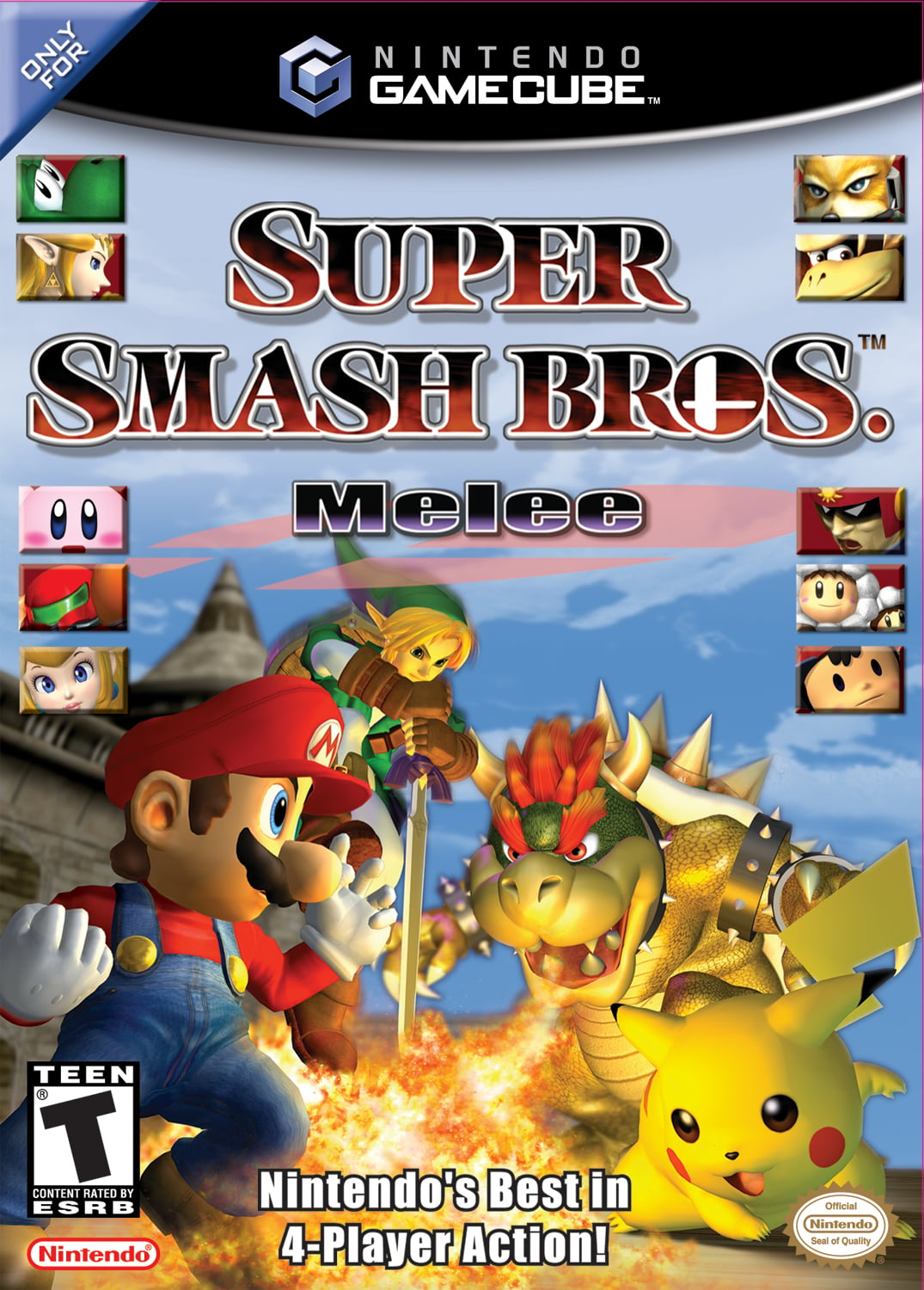
Characters
25 character slots + Sheik, Zelda’s transformation. Select a picture to view it full size.
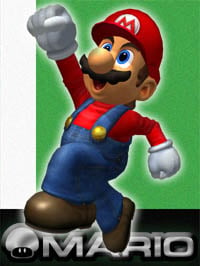
Mario
StarterSuper Mario
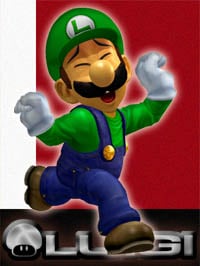
Luigi
UnlockableSuper Mario
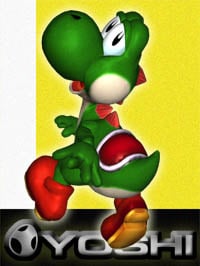
Yoshi
StarterYoshi
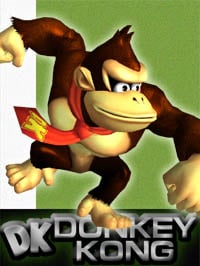
Donkey Kong
StarterDonkey Kong
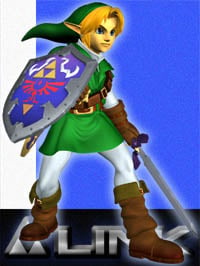
Link
StarterThe Legend of Zelda
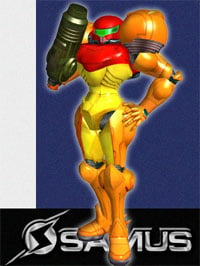
Samus
StarterMetroid
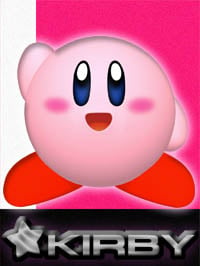
Kirby
StarterKirby
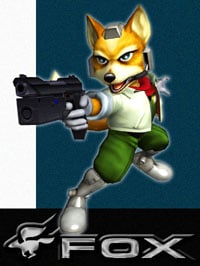
Fox
StarterStar Fox
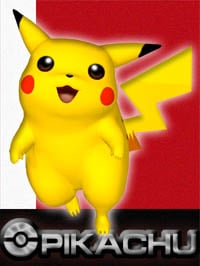
Pikachu
StarterPokémon
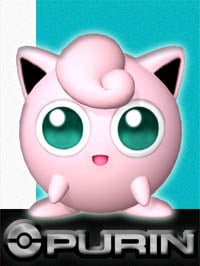
Jigglypuff
UnlockablePokémon
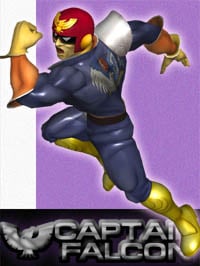
Captain Falcon
StarterF-Zero
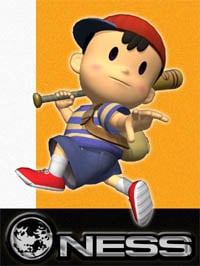
Ness
StarterEarthBound
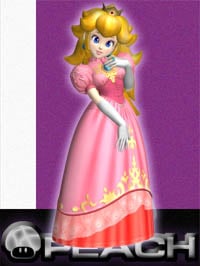
Peach
StarterSuper Mario
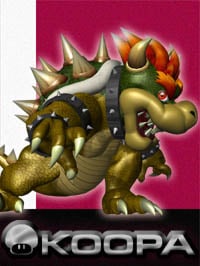
Bowser
StarterSuper Mario

Dr. Mario
UnlockableSuper Mario
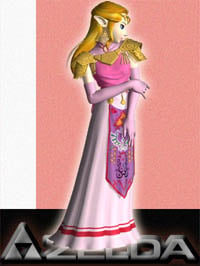
Zelda
StarterThe Legend of Zelda
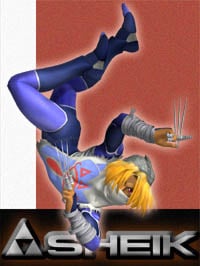
Sheik
TransformationThe Legend of Zelda
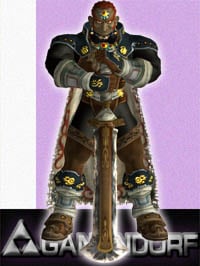
Ganondorf
UnlockableThe Legend of Zelda
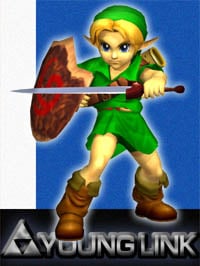
Young Link
UnlockableThe Legend of Zelda
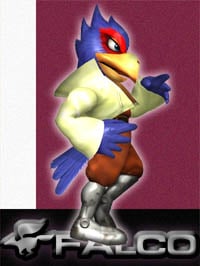
Falco
UnlockableStar Fox

Mewtwo
UnlockablePokémon
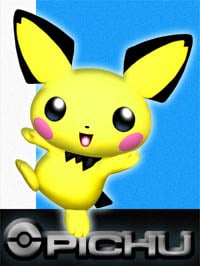
Pichu
UnlockablePokémon
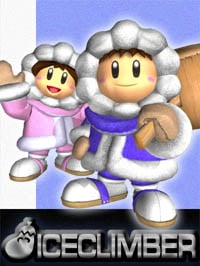
Ice Climbers
StarterIce Climber
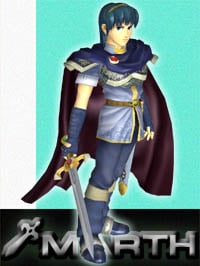
Marth
UnlockableFire Emblem
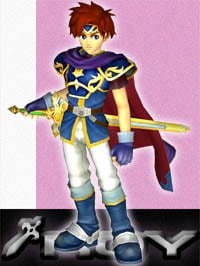
Roy
UnlockableFire Emblem
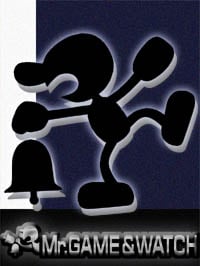
Mr. Game & Watch
UnlockableGame & Watch
Melee portraits, item renders and labelled trophy pictures · © Nintendo / HAL Laboratory and respective rights holders.
Mario, Luigi and Dr. Mario
These three share a family resemblance, but their movement and attacks should be learned individually. Start with a projectile, a grounded attack and a return to the stage. Compare the same sequence with each character instead of expecting a familiar costume or name to imply identical timing.
Peach, Bowser and Yoshi
The Mushroom Kingdom cast offers contrasting movement rhythms. Peach’s floating movement is worth practising deliberately; Bowser asks you to choose openings for committed attacks; Yoshi makes jump control a particular priority. Use the same arena to compare their landings and attacks before deciding which style feels comfortable.
Donkey Kong and the Ice Climbers
Donkey Kong gives power and reach a prominent role, while the Ice Climbers ask you to pay attention to a pair working together. For either, begin with dependable movement and ordinary exchanges before chasing a complicated sequence. Learn what happens when an attack is blocked as well as when it succeeds.
Link, Young Link and Samus
These fighters invite a comparison between projectiles and close attacks. Practise at a known distance, then close in when the opponent’s response creates an opening. Link and Young Link should still be learned separately, and Samus’s Charge Shot gives you another decision about how to use a quiet moment.
Zelda, Sheik and Ganondorf
Zelda and Sheik are linked by transformation but offer distinct fighting styles. Learn one set of basics with each before changing form as part of a match plan. Ganondorf provides a separate, more committed rhythm; practise a safe response after an attack rather than relying only on the impact of a successful hit.
Kirby, Ness and Mr. Game & Watch
These three bring unusually recognizable character actions into the same arena. Kirby’s aerial movement, Ness’s recovery and Mr. Game & Watch’s distinctive attacks each deserve a short practice session. Begin by learning a dependable return and a clear close-range response. Knowing those basics makes experimenting with the more unusual options much safer.
Fox, Falco and Captain Falcon
A fast-looking fighter still needs a readable approach and a safe landing. Compare Fox and Falco directly rather than expecting the shared Star Fox origin to mean identical movement or Blaster behavior. Captain Falcon asks for a different close-range plan. Repeat a simple exchange until you know where its opening ends.
Pikachu, Pichu, Jigglypuff and Mewtwo
The Pokémon representatives offer different movement and special-attack ideas. Test Pikachu and Pichu separately, then compare Jigglypuff’s aerial rhythm and Mewtwo’s spacing. A useful first goal is to identify one safe attack and one reliable recovery route with each. Keep the character stable while learning the arena so several changes do not hide the reason for a better result.
Marth and Roy
Both Fire Emblem fighters make sword range a clear part of the match, but they reward learning their individual attack spacing. Practise where a grounded swing reaches and what you can do after it misses or is blocked. Use the same opponent for the comparison, then return to the fighter whose rhythm you want to develop further.
From the game: the character-select screen
Every fighter’s portrait and stock icon as the game draws them, in the order of the character-select screen. Select one for all their costumes.

 Dr. Mario
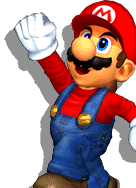
 Mario
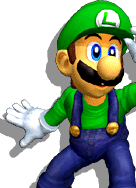
 Luigi
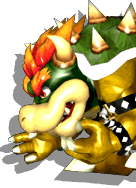
 Bowser
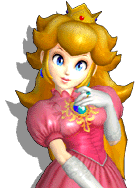
 Peach
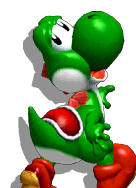
 Yoshi
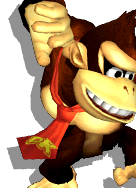
 Donkey Kong
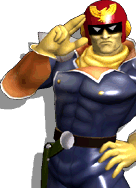
 Captain Falcon
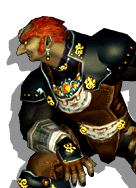
 Ganondorf
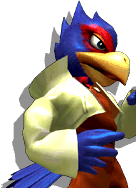
 Falco
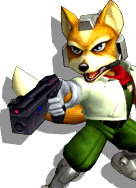
 Fox
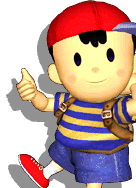
 Ness
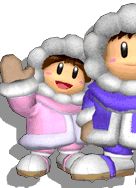
 Ice Climbers
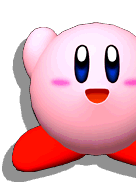
 Kirby
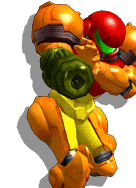
 Samus
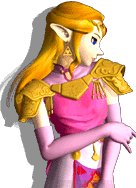
 Zelda
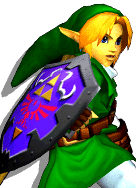
 Link
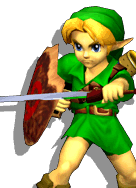
 Young Link
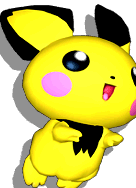
 Pichu

 Pikachu
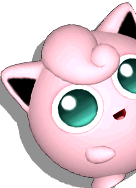
 Jigglypuff
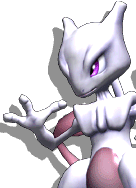
 Mewtwo

 Mr. Game & Watch
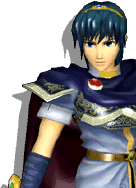
 Marth
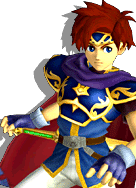
 Roy
Pictures taken from the Super Smash Bros. Melee (USA, revision 2) disc: textures decoded from the game’s own archives (character-select portraits, stock icons, stage-select pictures, emblems and menu art), the clear pictures stored on the disc, and frames from the opening movie.
References
Covered edition: Original Super Smash Bros. Melee for Nintendo GameCube. Regional balance differences and later Smash games are outside this introductory guide.