Super Mario Bros. 3 Wiki & Guide
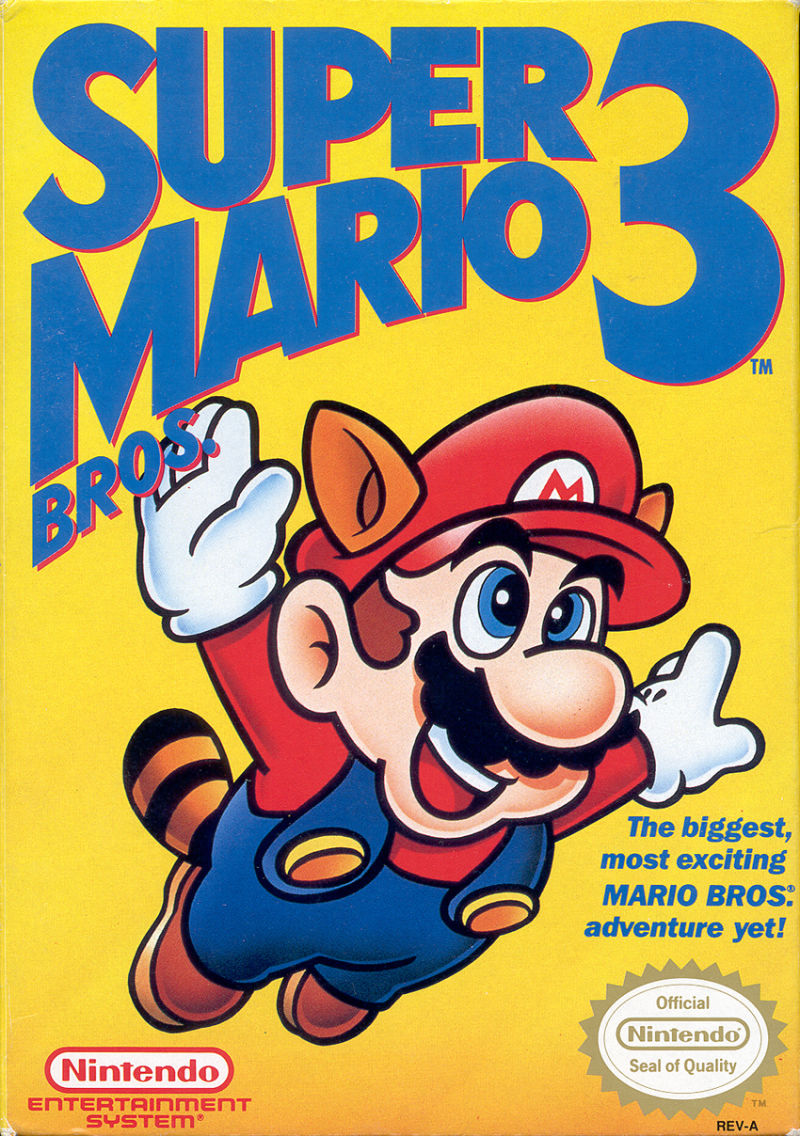
Quick reference for the NES classic: every world map, all 88 levels with screenshots, power-ups, enemies, bosses and the secrets worth knowing.
- Released
- JP 1988 · NA 1990 · EU 1991
- System
- NES / Famicom
- Worlds
- 8 + Warp Zone
- Levels
- 88
- Sales
- about 17 million
Explore the wiki
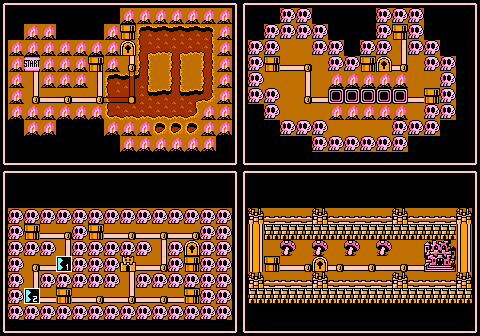
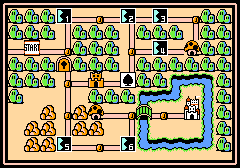 World maps & levelsAll 8 maps, 88 levels pictured
 Power-ups & items15 items, where to find them
 Enemies52 enemies with sprites
 CharactersMario, allies, Koopalings
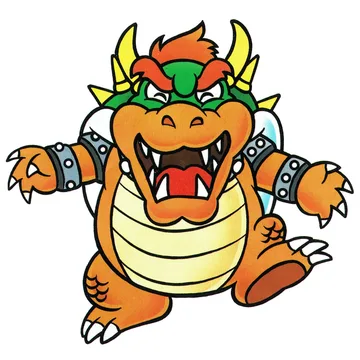 Bosses & fortressesKoopalings, Boom Boom, Bowser
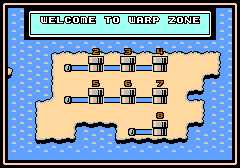 Warp WhistlesAll 3 whistles, World 8 skip
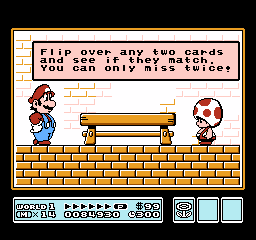 Secrets & minigamesWhite Toad Houses, Coin Ship, N-Spade
 Image galleryEvery picture on this wiki
World guides
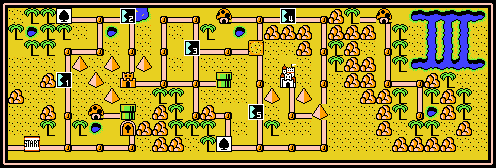
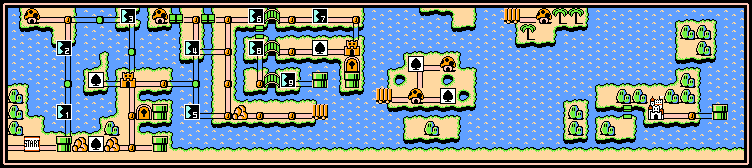
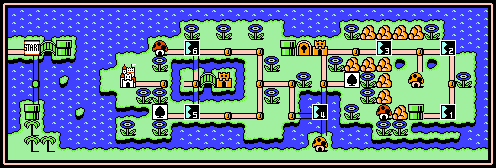
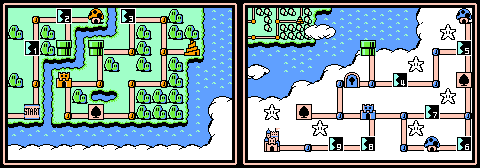
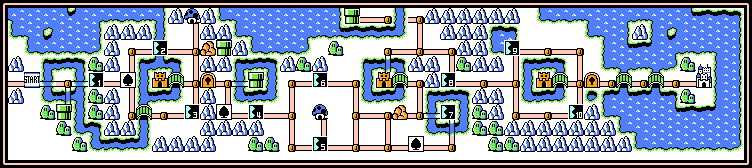
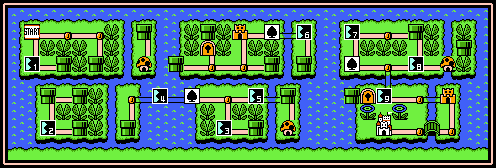
Quick tips
- Hold B to run: a full P-Meter lets Raccoon and Tanooki Mario fly.
- Save P-Wings for autoscrolling levels you keep losing.
- Three matching goal cards pay up to 5 extra lives.
- Two Warp Whistles from World 1 take you straight to World 8.
Did you know?
- The game is staged like a theatre play: blocks are bolted to the backdrop, scenery hangs from ropes, and Mario exits ’offstage’ at the end of most levels. Miyamoto later confirmed the stage-play idea.
- Development started in 1986 with a top-down view like Zelda; it was switched to side-view because jumps were hard to read. The title screen checkerboard is a leftover.
- About 20-30 people worked on it, compared with seven or eight for Super Mario Bros.; the Japanese release slipped six months from a planned spring 1988 date.
- It was advertised in the 1989 film The Wizard, the first Super Mario game promoted in a movie, months before its US home release.
FAQ
When did Super Mario Bros. 3 come out?
October 23, 1988 in Japan (Famicom), February 12, 1990 in North America and August 29, 1991 in Europe and Australia.
How many worlds and levels are there?
Eight worlds and 88 map levels, plus the World 9 Warp Zone.
Who made Super Mario Bros. 3?
Nintendo R&D4, directed by Shigeru Miyamoto and Takashi Tezuka, with music by Koji Kondo.
Sources & picture credits
Guide text is original retrogameindex writing. Maps, screenshots, sprites and artwork © Nintendo; local copies archived from Super Mario Wiki file pages (listed on the image gallery).