Ruby and Sapphire original release differences and connectivity
Separate the two original versions from Emerald, the remakes and compatible Generation III trades.
Original Pokémon Ruby Version and Pokémon Sapphire Version for Game Boy Advance. Version-specific encounters and story roles are labelled. Emerald and the Nintendo 3DS remakes have separate rules and progression.
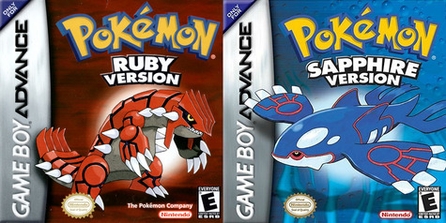
Ruby versus Sapphire
The original pair shares Hoenn’s eight Gym Leaders and League. Ruby follows Team Magma and Groudon and later roams Latios; Sapphire follows Team Aqua and Kyogre and later roams Latias. Several encounters and the final Trick House tent differ. Use the version checklist alongside exact profile locations.
What Emerald changes
Emerald changes the villain story, makes Juan the Sootopolis Gym Leader and Wallace the Champion, adds the Battle Frontier and changes some encounters and trainer teams. It also adds breeding and field-ability conveniences absent from Ruby/Sapphire. Emerald’s fossil recovery and Gym rematch systems do not describe this pair’s ordinary play.
What the remakes change
Omega Ruby and Alpha Sapphire use later mechanics, a physical/special split by individual move, Fairy typing, Mega Evolution and a different postgame. Their HM numbers, new forms and encounter systems cannot be used as original Game Boy Advance records. This guide keeps its 202-entry roster and original moves and abilities.
Link-compatible collection
Ruby and Sapphire trade and battle with compatible Generation III software through the supported Game Boy Advance link setup. FireRed/LeafGreen must complete their own relevant network quest for cross-region connections. Colosseum, XD and Pokémon Box have their own hardware and progress requirements. Older Game Boy and Game Boy Color saves do not trade directly into these original games; later migration moves Pokémon onward and is not a return trip.
Use the Ruby or Sapphire version listed in the record. These guides cover the original Game Boy Advance games.