Ruby and Sapphire starters and battle basics
Choose a Hoenn starter, learn the original damage rules and plan a useful early party.
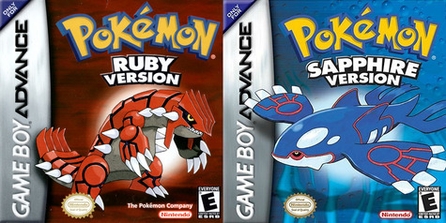
Original Pokémon Ruby Version and Pokémon Sapphire Version for Game Boy Advance. Version-specific encounters and story roles are labelled. Emerald and the Nintendo 3DS remakes have separate rules and progression.
Choose your first partner
Treecko is Grass, Torchic is Fire and Mudkip is Water. Their final evolutions have different strengths: Sceptile remains Grass, Blaziken becomes Fire/Fighting and Swampert becomes Water/Ground. Choose a partner you enjoy and add teammates that cover its weaknesses. Early catches such as Wingull, Shroomish and Ralts offer different roles.


Use the Generation III damage categories
A damaging move’s type determines whether it uses Attack or Special Attack. Ghost is physical and Dark is special in these games. Status moves use their own effects. Compare the move type with the Pokémon’s stats before spending a single-use TM.
Keep the party ready for the route
Carry Poké Balls, status cures and healing items; visit Pokémon Centers before a long cave or sea route. A few trained partners are more useful than six underlevelled catches. Field HMs can share space with battle moves, but an unwanted HM requires the Move Deleter in Lilycove. TMs are consumed when taught, whereas HMs can be reused.
Know which game you are following
This guide labels Ruby and Sapphire separately where encounters or story events differ. Wallace is the eighth Gym Leader and Steven is Champion in both versions. The postgame challenge is the Battle Tower. The story walkthrough follows the original badge and villain sequence.
Use the Ruby or Sapphire version listed in the record. These guides cover the original Game Boy Advance games.