Characters
12 fighters · 8 starters and 4 unlockables. Select a picture to view it full size.

Mario
StarterSuper Mario
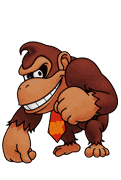
Donkey Kong
StarterDonkey Kong
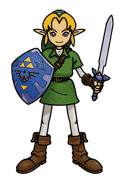
Link
StarterThe Legend of Zelda
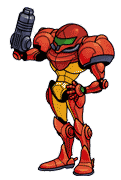
Samus
StarterMetroid
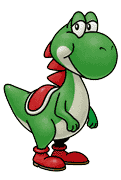
Yoshi
StarterYoshi
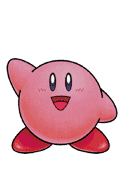
Kirby
StarterKirby
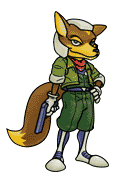
Fox
StarterStar Fox

Pikachu
StarterPokémon

Luigi
UnlockableSuper Mario
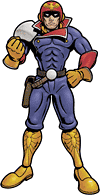
Captain Falcon
UnlockableF-Zero
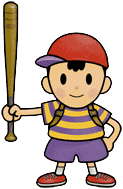
Ness
UnlockableEarthBound

Jigglypuff
UnlockablePokémon
Original Nintendo 64 artwork · © Nintendo / HAL Laboratory and respective rights holders.
Mario: a balanced first comparison
Use Fire Ball to explore distance and ordinary attacks to learn close range. Super Jump Punch gives you a clear recovery action to practise; establish a dependable route back before pursuing opponents offstage.
Donkey Kong: power with a commitment
Giant Punch gives Donkey Kong a recognizable heavy attack. Make space to prepare it and learn when an opening is actually long enough. Compare this deliberate rhythm with a smaller, quicker fighter.
Link: sword range and projectiles
Link combines sword attacks with Boomerang and Bomb options. Practise controlling a useful distance, then returning safely with Spin Attack. Avoid treating the full arena as equally comfortable fighting space.
Samus: prepare the next shot
Charge Shot invites you to use a quiet moment productively. Fire when the line is clear, and practise Screw Attack recovery separately. A stored attack works best alongside a route and a landing plan.
Yoshi: eggs and an unusual jump
Egg Lay, Egg Throw and Yoshi Bomb give familiar character actions different fighting roles. Spend extra practice on his jump and return route rather than assuming his up-special behaves like a conventional rising recovery.
Kirby: experiment in the air
Kirby’s multiple jumps make air movement an approachable practice goal. Inhale adds another way to interact with a rival. Learn how long you can remain airborne while still keeping a safe landing available.
Fox: movement around the Blaster
Fox’s Blaster gives him an action at distance, while quick movement lets you choose when to close in. Practise Fire Fox recovery deliberately; speed during ordinary movement does not remove the need to aim a return.
Pikachu: electricity and recovery
Thunder Jolt provides a projectile to compare with close attacks. Quick Attack requires its own recovery practice, so test where it carries you before relying on it near the edge. Learn that movement alongside ordinary landings.
Luigi: a separate movement lesson
Luigi is an unlockable Mario-series fighter, but a familiar outline is not a reason to assume identical timing. Compare his jump, attacks and recovery in Training, then choose a simple exchange that feels dependable.
Captain Falcon: plan the approach
This unlockable F-Zero representative invites a more direct close-range approach. Start by learning where an ordinary attack reaches and how to recover after a miss. A spectacular attack should follow a clear opening.
Ness: learn the return before the pursuit
Ness is an unlockable EarthBound representative with distinctive special actions. Set aside a Training session for his recovery before taking risks near an edge. Understanding that route makes the rest of his toolkit easier to explore.
Jigglypuff: control the landing
The unlockable Pokémon has a very different rhythm from the starting roster’s heavier fighters. Practise aerial movement and a predictable landing, then learn which close attack you can use without losing your position.
References
Covered edition: Original Super Smash Bros. for Nintendo 64 (1999). Controls use the N64 controller; regional balance differences and later sequels are outside this introductory guide.