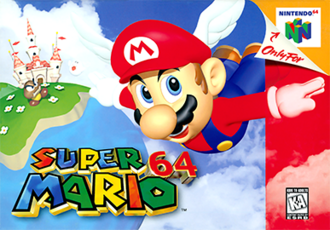
Super Mario 64 Wiki & Guide
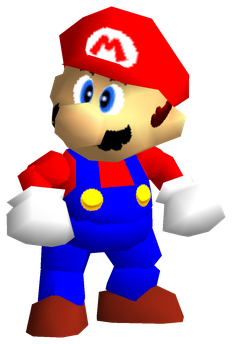

Princess Peach’s castle has been taken over by Bowser, who has hidden its Power Stars in the worlds inside its paintings. This wiki covers all 15 courses and their 105 named stars, Bowser and every boss and enemy, the caps and the castle’s secrets, illustrated with models, paintings and courses drawn straight from the game.
- Released
- 1996
- System
- Nintendo 64
- Director
- Shigeru Miyamoto
- Power Stars
- 120
Explore the wiki
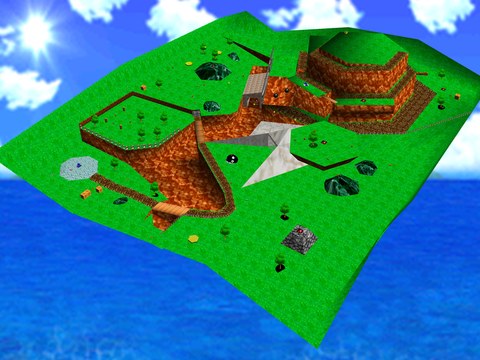 CoursesAll 15 courses and 105 star names
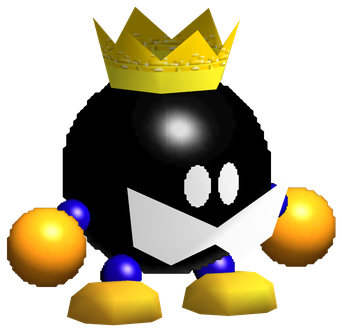 Enemies & bossesBowser, 8 bosses and 34 enemies
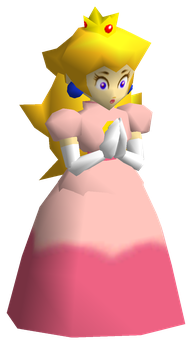 CharactersMario, Peach, Toad, Yoshi and more
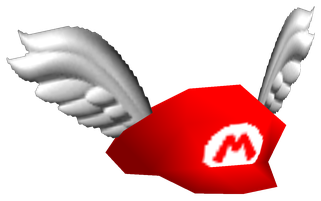 Caps & movementWing, Metal and Vanish CapsGetting startedPower Stars and movement basics
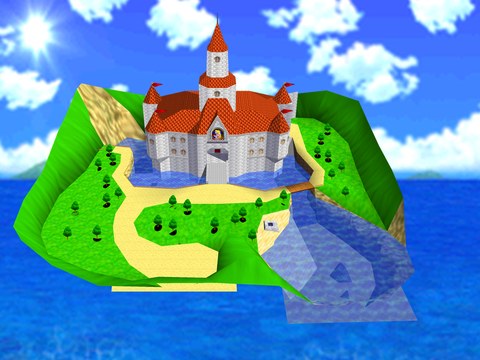 Castle & BowserStar doors, keys and Bowser stages120 starsCastle secret stars and cap switches
 CollectiblesCoins, 1-Ups and ! Blocks
 Castle residentsWho helps Mario, and where
 Fun triviaDetails to look out forPicturesModels, courses and paintings
The 15 courses
Each course is a painting (or a hidden entrance) in Peach’s castle. Select a course for its stars.
 Course 1Bob-omb Battlefield
 Course 2Whomp's Fortress
 Course 3Jolly Roger Bay
 Course 4Cool, Cool Mountain
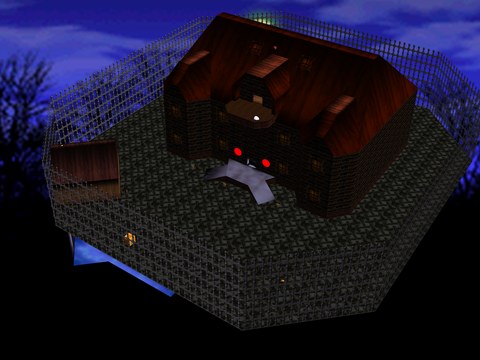 Course 5Big Boo's Haunt
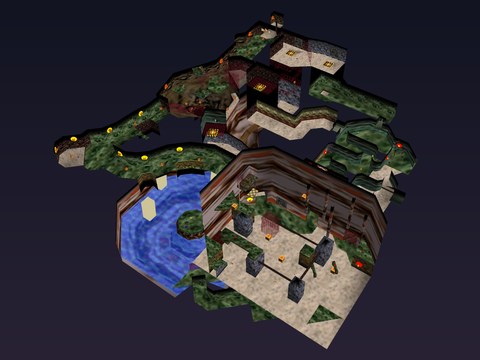 Course 6Hazy Maze Cave
 Course 7Lethal Lava Land
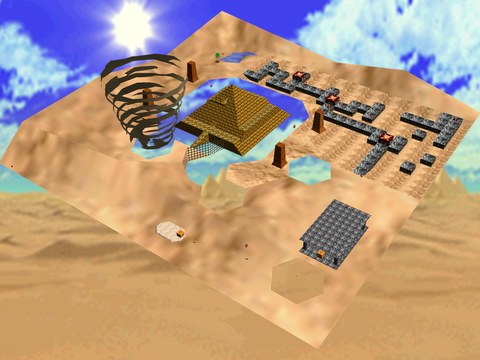 Course 8Shifting Sand Land
 Course 9Dire, Dire Docks
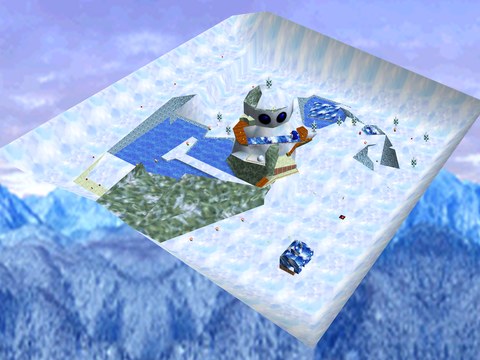 Course 10Snowman's Land
 Course 11Wet-Dry World
 Course 12Tall, Tall Mountain
 Course 13Tiny-Huge Island
 Course 14Tick Tock Clock
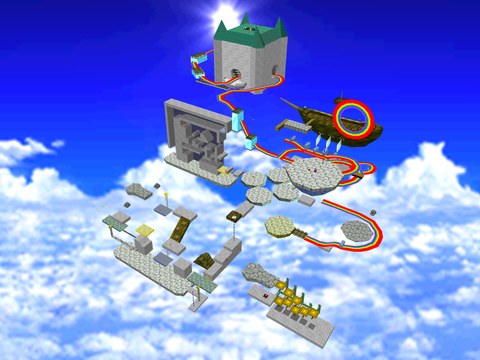 Course 15Rainbow Ride
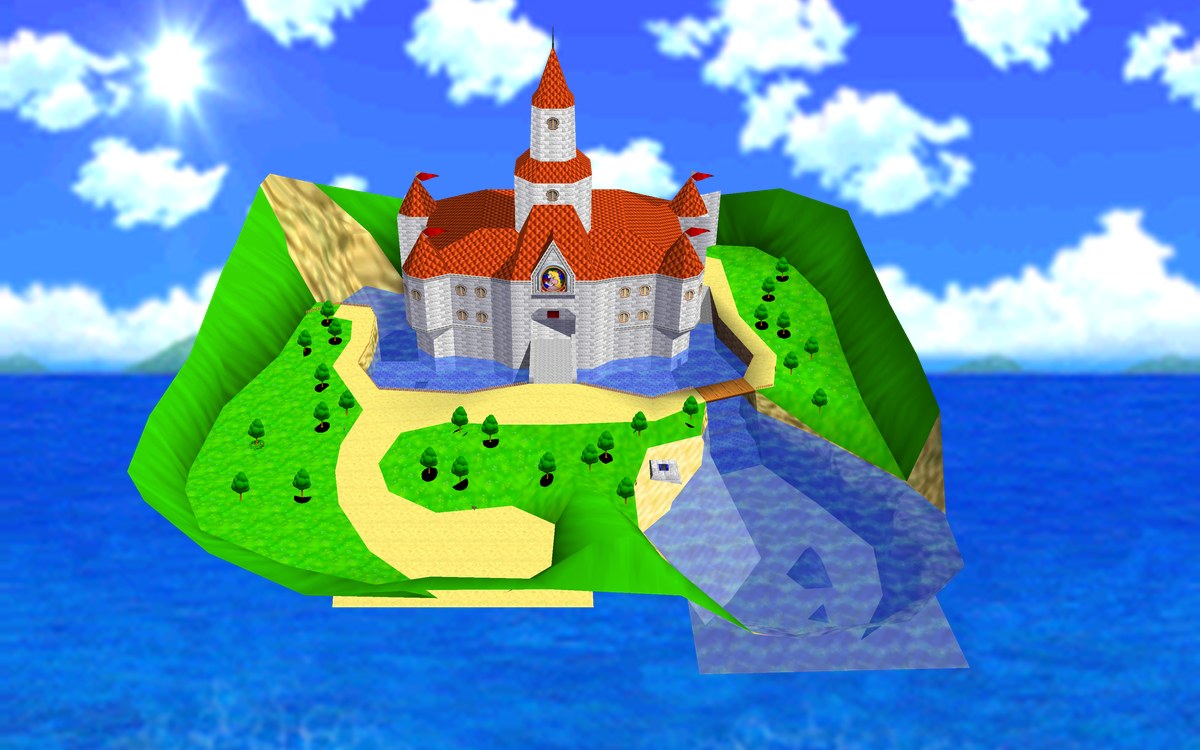
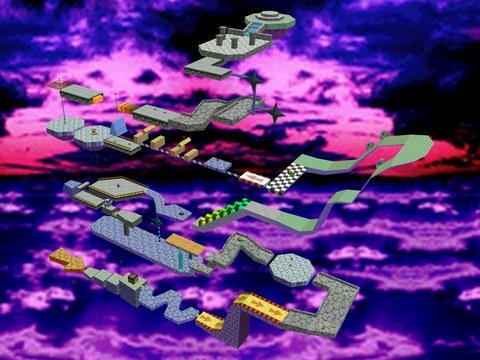
Peach’s castle
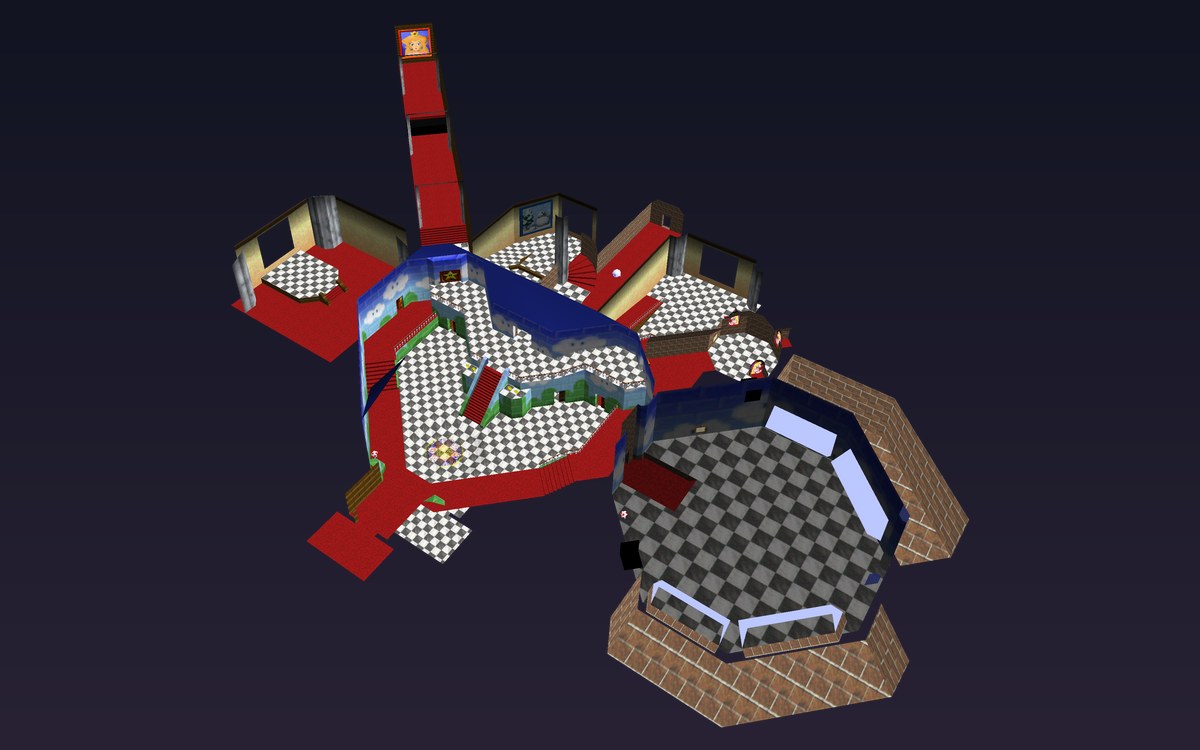
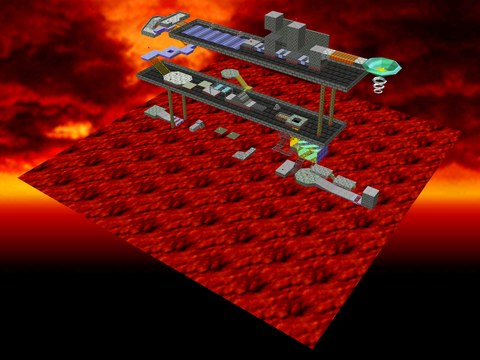
Bowser’s three stages
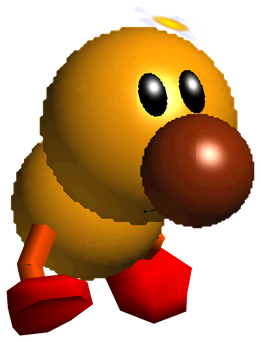
Bosses
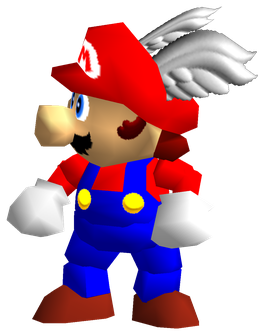
Mario’s caps
Who’s who
Quick tips
- Every course has six named stars and a hidden seventh for collecting 100 coins; the star’s name on the course menu is a clue to where it is.
- You don’t need every star in a course before moving on: big star doors open at 8, 30, 50 and 70 stars.
- Look up into the sunlight in the castle’s main hall once you have 10 stars to reach the Tower of the Wing Cap.
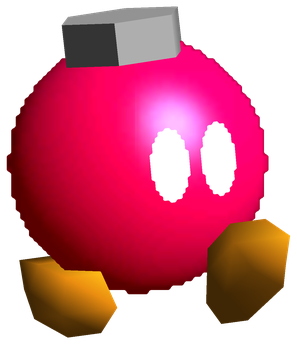
- Talk to the pink Bob-omb Buddies to open the cannons in a course.
- In Tick Tock Clock, jump into the painting when the castle clock’s minute hand points to 12 to stop the machinery.
- Red coins come in eights: collecting all eight in a course makes a star appear.
Did you know?
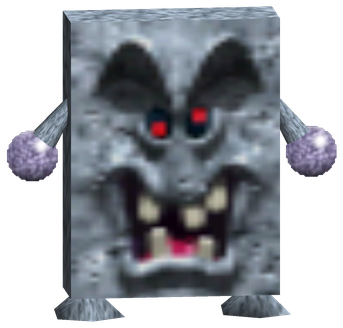
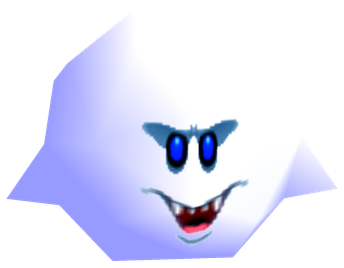
- Big Boo is the ordinary Boo model drawn three times larger, and the Whomp King is a Whomp at twice the size.
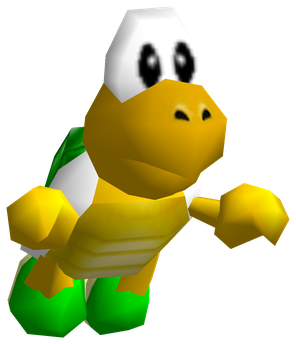
- Koopa the Quick uses exactly the same model as every other Koopa Troopa; the game simply draws him at three times the size (ordinary Koopas are drawn at 0.8).
- Goombas come in three sizes from one model: tiny (×0.5), normal (×1.5) and huge (×3.5).
- Bowser needs one throw into a bomb in the Dark World and in the Fire Sea, but three in the Sky.
- Mario’s model has three versions with fewer and fewer polygons; the game swaps between them as he gets further from the camera.
- Peach’s portrait in the castle has a Bowser version stored right beside it in the game’s textures.
FAQ
When did Super Mario 64 come out?
On 23 June 1996 in Japan, 29 September 1996 in North America and 1 March 1997 in Europe, for the Nintendo 64.
How many Power Stars are there?
120: six named stars and a 100-coin star in each of the 15 courses (105), plus 15 castle secret stars. All courses and stars.
How many stars do you need to finish the game?
70 stars open the endless stairs to Bowser in the Sky, the final battle. Castle progression and Bowser gates.
What happens when you collect all 120 stars?
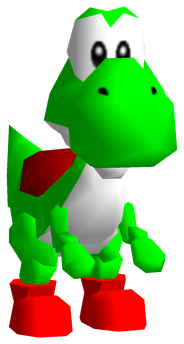
The cannon outside the castle opens, and Yoshi waits on the castle roof with 100 extra lives and a message from the developers.
Where can I play Super Mario 64 today?
It was re-released on the Wii (2006) and Wii U (2015) Virtual Console, in Super Mario 3D All-Stars for Nintendo Switch (2020), and with Nintendo Switch Online + Expansion Pack since 2021. Super Mario 64 DS (2004) is a remake with extra characters and stars.
Sources & picture credits
- Wikipedia: Super Mario 64 (release dates, credits, re-releases)
- Super Mario 64 decompilation (n64decomp/sm64): models, level scripts, object placement and behaviour code
- Super Mario Wiki: Super Mario 64 (courses, enemies and characters)
Pictures made from the Super Mario 64 (USA) game data: characters, enemies and items are drawn from their own 3D models, posed with a frame of one of their own animations; courses are drawn from their level geometry with their objects in front of their own sky. They are rendered without the game’s fog, shadows or moving water textures, so they look a little cleaner than on the console. The box art was already on this wiki. Game content © Nintendo.