Inventory, herbs and careful combat
Plan each trip around carrying space and use healing and weapons deliberately.
Original 1996 PlayStation release. The 1997 Director's Cut Arranged/Advanced layout, 1998 DualShock soundtrack, Saturn additions, Deadly Silence modes and 2002 remake mechanics are outside this guide. Regional presentation and difficulty can differ.
Pack for one objective
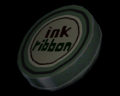
Take a dependable weapon, its ammunition, a recovery item and the key or puzzle object for your next destination. Store unrelated keys, spare guns and Ink Ribbons. Use the Combine command to consolidate compatible ammunition or create herb mixtures, and examine an unfamiliar item before deciding that it has no purpose. Item boxes share stored supplies across the original game, so a later box can retrieve equipment left in an earlier safe room.
Understand the herb colors
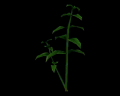
Original Resident Evil inventory image of Green Herb. .

Original Resident Evil inventory image of Red Herb. .

Original Resident Evil inventory image of Blue Herb. .

Original Resident Evil inventory image of Mixed Herbs (G+R). .
A Green Herb restores health. Combining green herbs improves recovery, while adding a Red Herb makes a stronger healing mixture; a red herb does not serve as ordinary healing by itself. Blue Herbs address poison. Check the Status screen when the character's movement or condition changes and prepare the mixture that fits the problem. Do not spend a large recovery item merely to tidy a slightly reduced health display if a smaller one will cover the next route.
Clear dangerous routes deliberately
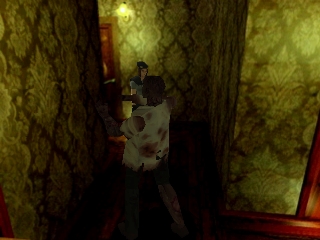
A narrow corridor that you must cross repeatedly can justify ammunition; an enemy in a wide room may be avoidable. Aim before firing and leave space to retreat when a zombie falls, since a fall is not always the end of the encounter. Use stronger weapons against threats that are difficult to pass safely. The knife is a risky way to save bullets if it costs healing supplies, and the original game does not use the remake's defensive-item system.
An empty inventory slot can be more useful than a second weapon that you do not intend to use.
Picture details
Game artwork belongs to its respective rights holders.