
Neverwinter Nights beginner classes, abilities and feats
Choose a first character and distinguish class levels, ability scores, skills and feats.
Edition covered
The 2002 Wailing Death campaign and its third-edition D&D rules. Images show Neverwinter Nights: Enhanced Edition and may depict bundled adventures. Shadows of Undrentide, Hordes of the Underdark and community modules have different companions and campaign rules.
Start with a clear combat plan
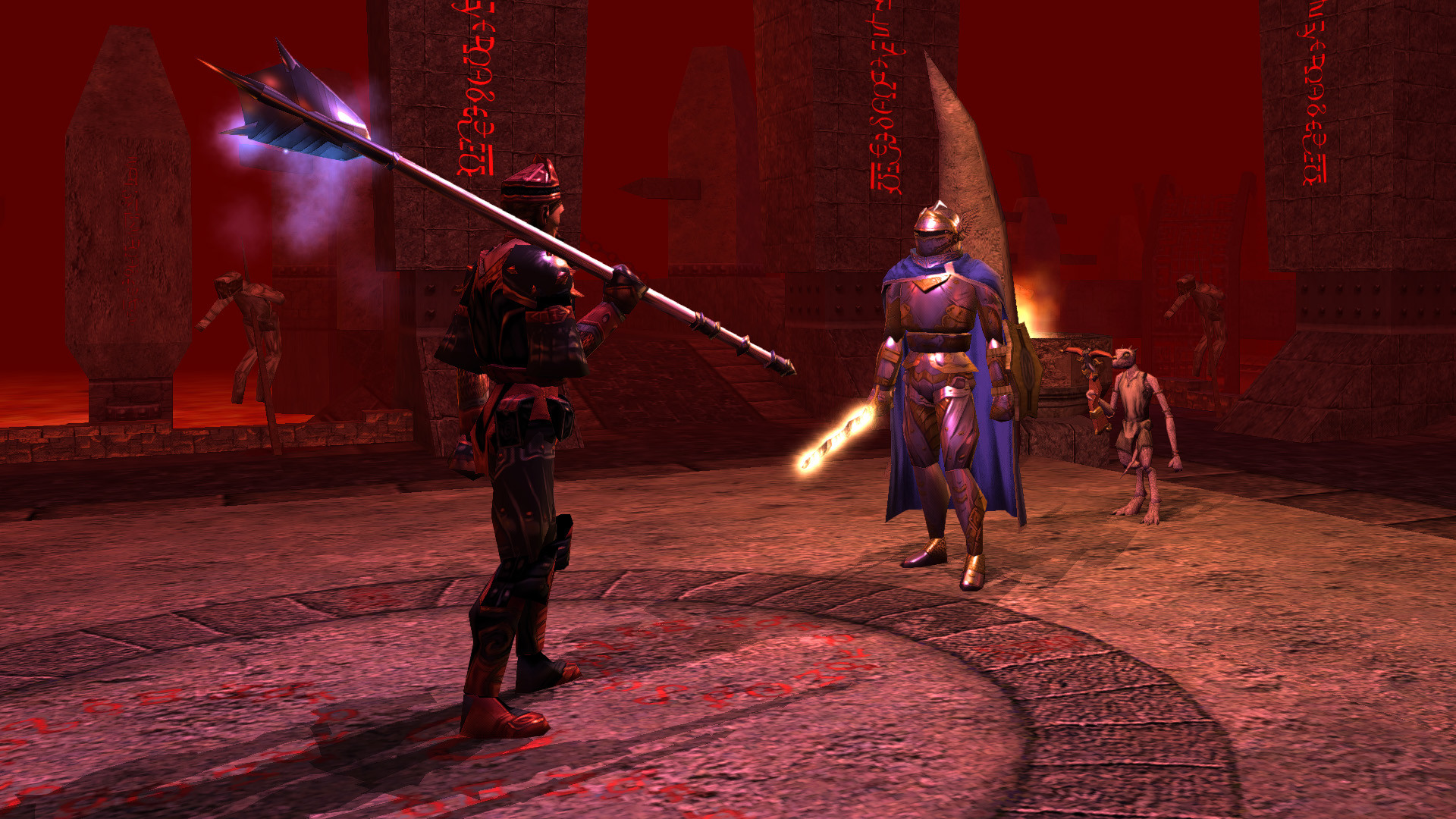
A Fighter makes a straightforward weapon-focused introduction. A spellcaster is viable but adds spell preparation or spell-selection decisions. Choose how the hero should fight before selecting feats at random.
| Class | Core approach | Watch |
|---|---|---|
| Fighter | Weapons and bonus feats | Plan useful feat chains |
| Rogue | Skills and sneak attacks | Avoid unsupported front-line combat |
| Cleric | Divine spells and armor | Prepare the needed spells |
| Wizard | Learned arcane spellbook | Intelligence and preparation matter |
| Sorcerer | Smaller spontaneous spell selection | Known-spell choices are important |
Build toward prerequisites
A feat may require a minimum ability score, another feat or a particular attack bonus. Read the chain before spending points on a character that cannot yet qualify.
| Resource | What it changes | Example |
|---|---|---|
| Ability score | Core strengths and prerequisites | Strength for a melee plan |
| Class level | Class features and progression | More spellcasting through caster levels |
| Skill points | Specific trained actions | Persuade or Disable Trap |
| Feats | Rules and special capabilities | A weapon or combat specialization |
Use class skills efficiently
Skills and feats are separate resources. A skill can improve actions such as persuasion or lock handling; a feat usually grants a rule or combat capability. Cross-class skill purchases can cost more.
Keep multiclassing purposeful
Adding a class changes future progression and can carry experience consequences under the game's rules. A first-time build is easier to evaluate when its levels advance a small number of specific goals.
Adding a class changes future progression and can carry experience consequences under the game's rules. A first-time build is easier to evaluate when its levels advance a small number of specific goals.
References
| Reference | Website |
|---|---|
| Neverwinter Nights publisher listing | store.steampowered.com |
| BioWare original manual hosted by Beamdog | forums.beamdog.com |
| Beamdog Neverwinter Nights page | www.beamdog.com |