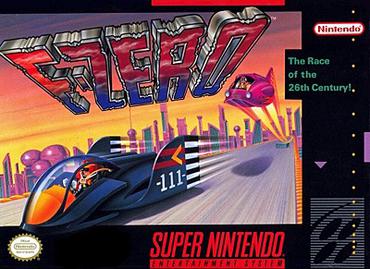
Drive a clean first Grand Prix
Learn throttle, leaning and five-lap survival in the original SNES F-Zero.
Original 1990 Super Famicom / 1991 international SNES F-Zero. Single-player Grand Prix and Practice are covered. Super Jet stock is earned by completing laps; this game does not use the energy-draining boost of later entries. F-Zero X, GX and 99 rules are outside this reference.
Learn the machine before changing it
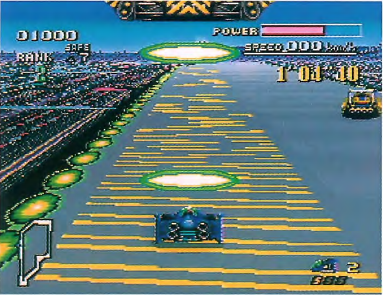
Choose one machine for the first few attempts so the steering response stays familiar. Hold B to accelerate, use the direction controls to steer and try the shoulder buttons’ leaning movement in a clear section. Begin with a conservative corner entry. A clean exit keeps useful speed and power, while repeated contact with the outer barrier can make even an otherwise simple course difficult to finish.
Practise a course in manageable pieces
Use Practice to learn the corner order and the pit approach. Identify one troublesome bend, then compare an earlier turn with a later one over several attempts. Keep the rest of the lap consistent so the change has a clear result. Jump plates need a planned landing as well as a good take-off; use the original manual’s nose-control instructions when learning how a jump’s distance changes.
Spend a Super Jet deliberately
The original game awards Super Jet stock after laps. A activates an available burst; choose a straight or a well-understood exit where extra speed can be used safely. The power bar is a separate survival resource that is repaired in the pit area. Before using a burst near traffic, check the next turn and the remaining width of the road instead of focusing only on the car ahead.
Hold a familiar line through the pit area when repairing. A longer stay restores more power, but stopping to repair still costs race time.
Picture details
Game artwork belongs to its respective rights holders.