WarioWare: Smooth Moves story stages and Temple of Form practice
Unlock forms and rehearse unfamiliar microgames.
Edition covered
Original Wii game, first released in Japan in 2006 and internationally in 2007. Most games use one Wii Remote; Orbulon’s Diner set also needs a Nunchuk.
Clear character sets to learn new forms
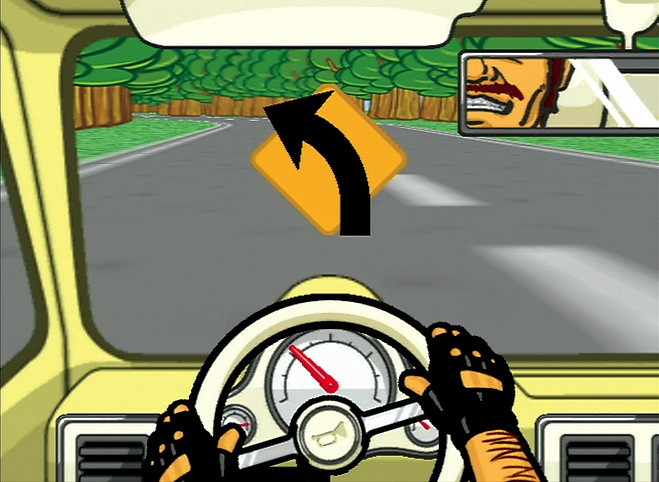
The story introduces more grips as it progresses. A new character may ask for familiar microgames with a new starting pose, so watch each form card carefully.
| Problem | Select in Temple of Form | Goal |
|---|---|---|
| One grip feels unreliable | That form’s category | Learn its starting pose |
| A character set blocks progress | That character’s microgames | Learn recurring tasks |
| Hard variant causes surprises | Individual microgame | See its full difficulty sequence |
| Nintendo reference is confusing | 9-Volt and 18-Volt entry | Read the motion-specific rule |
Use Temple of Form for targeted practice
Unlocked microgames can be selected by character or form. Choose the form that causes failures instead of replaying an entire story stage to encounter it again.
| Mode or set | Purpose | Key difference |
|---|---|---|
| Character story | Unlock progress and forms | Mixed run with lives |
| Temple of Form | Targeted microgame practice | Session ends after difficulty variants |
| Tiny Wario | Late story set | Leads through the main ending |
| Orbulon | Diner set | Uses the Nunchuk as well |
Practice all three difficulty variants
Temple of Form plays the variants of an individual microgame and then ends the session. It does not use the endless individual-score system of the original GBA Grid.
Treat Nintendo scenes as new tasks
A familiar Zelda, Mario or racing reference can still ask for an unusual Wii Remote motion. Read the command rather than attempting the controls of the original referenced game.
References
| Reference | Website |
|---|---|
| Game, forms and mode reference | www.mariowiki.com |
| Nintendo Wii instruction booklet | csassets.nintendo.com |