Original battle types, moves and team training
Understand Generation I's type-based damage categories, single Special stat and limited-use move resources.
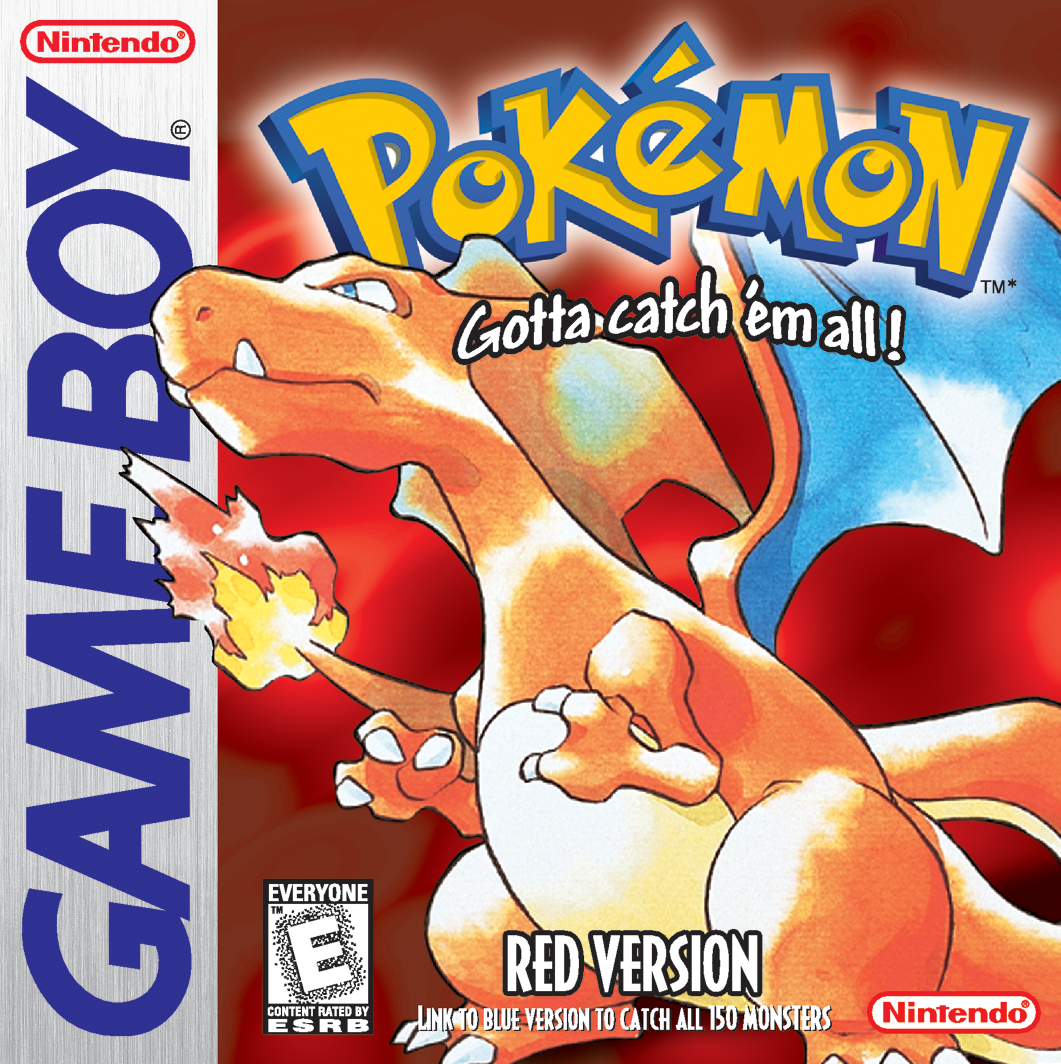
International Game Boy Red and Blue, released in 1998 in North America and Australia and 1999 in Europe. The series began with Japanese Red and Green in 1996; the international pair uses revised graphics from Japanese Blue. Yellow, FireRed/LeafGreen and Let's Go have different encounters or mechanics. Cartridge linking uses a Game Link Cable; the 3DS Virtual Console editions use local wireless.
Use the original type rules
Generation I has fifteen types; Dark, Steel and Fairy are absent. The type of a damaging move determines whether it uses physical or special stats, rather than an icon assigned to each individual attack. For example, Water attacks use Special and Normal attacks use Attack. Red/Blue also has a single Special stat for both special attacking and defending. Modern move lists can therefore lead to the wrong expectation about an old teammate's strengths.
Plan moves before spending a TM
A Pokémon can know four moves. Ordinary TMs are consumed when taught, whereas HMs can be used repeatedly. Review what the new move does and which party member will use it often before spending a rare TM. Pokémon Centers refill PP, while longer caves can leave a main attack exhausted. Our practical recommendation is to carry more than one useful damaging move and to save before making a major, permanent change to a trusted teammate.
Separate catching from knocking out
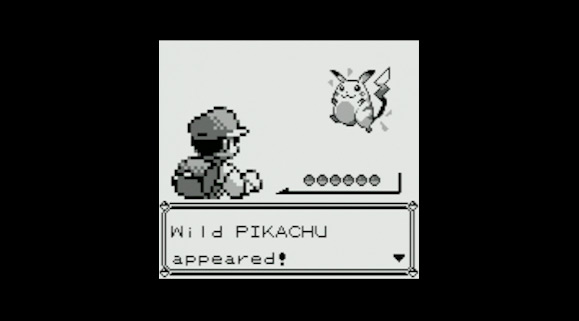
To catch a wild Pokémon, weaken it without reducing its HP to zero, then throw a Poké Ball. Sleep or paralysis can help, but the attack used to create the opening still needs to leave the target alive. Trainer-owned Pokémon cannot be caught. If the party's best attacker is too strong for an early species, bring a weaker teammate. Check the active PC box before a collecting trip: the original storage system does not automatically switch to another box when one fills.
A familiar species can behave differently across generations. Check its original move type and Special stat before copying a modern battle plan.
Picture details
Game artwork belongs to its respective rights holders.