Temple route and three-day planning
Break Termina’s four regions into manageable cycles and preserve lasting progress.
Spoiler notice: This guide discusses story progression or late-game content.
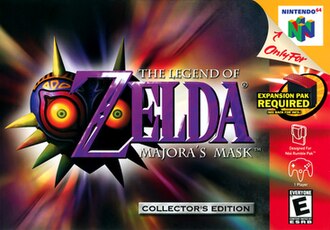
Original Nintendo 64 release; saving and some mechanics differ in Majora’s Mask 3D.
| Region | Temple | Major form |
|---|---|---|
| Southern Swamp | Woodfall | Deku |
| Mountains | Snowhead | Goron |
| Coast | Great Bay | Zora |
| Ikana | Stone Tower | Several forms |
Finish the opening cycle
The first three days introduce Clock Town, the Bombers and the route to the Clock Tower confrontation. Recover the Ocarina and learn how to return to the first day. Before attempting a long regional quest, understand which changes persist and which events reset with the cycle.
Southern Swamp and Woodfall
The swamp storyline introduces the Deku Palace and Woodfall route. Open access, learn the necessary song and activate useful owl travel before tackling the temple. A good first-time plan is to establish the route during one cycle, then return early in a fresh cycle for the full dungeon.
Snowhead and the mountains
The Goron storyline leads to Snowhead. The region changes after its boss is defeated, opening activities that depend on spring conditions. If you want to work on sword upgrades or the Goron Race, leave time after the temple rather than finishing immediately before the moon falls.
Great Bay and Ikana
The Zora egg quest precedes Great Bay Temple. Later, Ikana’s well and castle lead toward Stone Tower. These regions combine several errands with the dungeon itself. Make a list of the current required items and songs instead of assuming reaching a temple’s exterior means every prerequisite is complete.
Reset deliberately
Deposit rupees before a reset and finish any reward hand-in you care about. In the N64 version, the Song of Time and owl saves have different roles; owl saving is a suspend-style system. Do not follow the 3DS remake’s saving instructions without checking your edition.
Check the edition note above before following a route. Suggested preparation and tactics are editorial recommendations; alternative teams and routes can also work.